In Poland, workers can now refuse to work in the heat without losing their wages

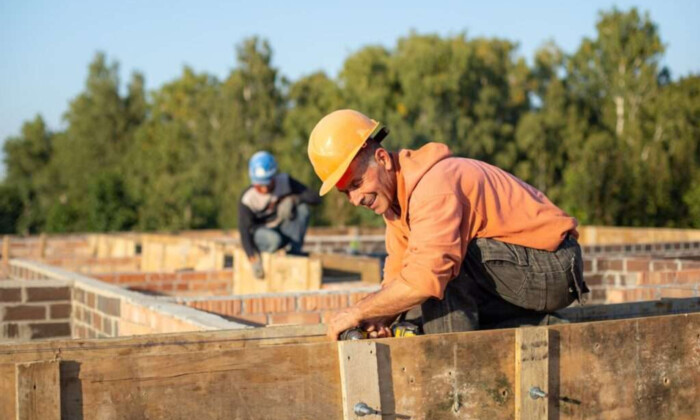
Workers in Poland can now legally suspend work if high temperatures pose a danger to their health or life. Employers cannot deprive them of their wages if they follow the legally defined procedure. This is reported by InPoland referring to the provisions of the Polish Labor Code.
Heat in Poland: when a worker can refuse to work
The Ministry of Family, Labor and Social Policy of Poland reminded that current legislation already contains mechanisms to protect workers during extreme heat.
According to Article 210 of the Labor Code, a worker has the right to stop performing their duties if working conditions do not meet occupational safety requirements and pose a direct threat to their health or life.
In such a case, the worker must immediately inform the supervisor of their decision. If the danger cannot be eliminated, the law also allows leaving the workplace.
At the same time, the Labor Code guarantees that a worker who exercises this right according to the law does not lose their wages and cannot face disciplinary or other negative consequences. An exception is made only for professions related to saving people or property.
If you are interested in working in Poland, we invite you to explore 350,000 job vacancies on the Layboard portal.
New rules for working in the heat in Poland may be introduced from 2027
At the same time, the Polish government is preparing changes to safety regulations that will establish clear temperature limits for work.
The project stipulates that from 2027, employers will be required to temporarily suspend work if the temperature:
- in an enclosed space exceeds 35°C;
- outdoors exceeds 32°C.
Moreover, at temperatures of 28°C in the office and 25°C outdoors, employers will have to reduce the heat load on staff. Some possible measures include:
- additional breaks;
- changing the work schedule;
- improving ventilation;
- transferring employees to remote work if possible.
Currently, employers are also required to provide employees with drinking water and beverages free of charge during work in the heat. For those working outdoors, this requirement applies at temperatures above 25°C, and for indoor work - above 28°C. In some cases, the law also requires the establishment of special rest rooms with air cooling.
It should be noted that Polish workers are among the most burdened in the European Union. In 2025, the average work week in the country was 38 hours, significantly exceeding the average in the EU.

Read also