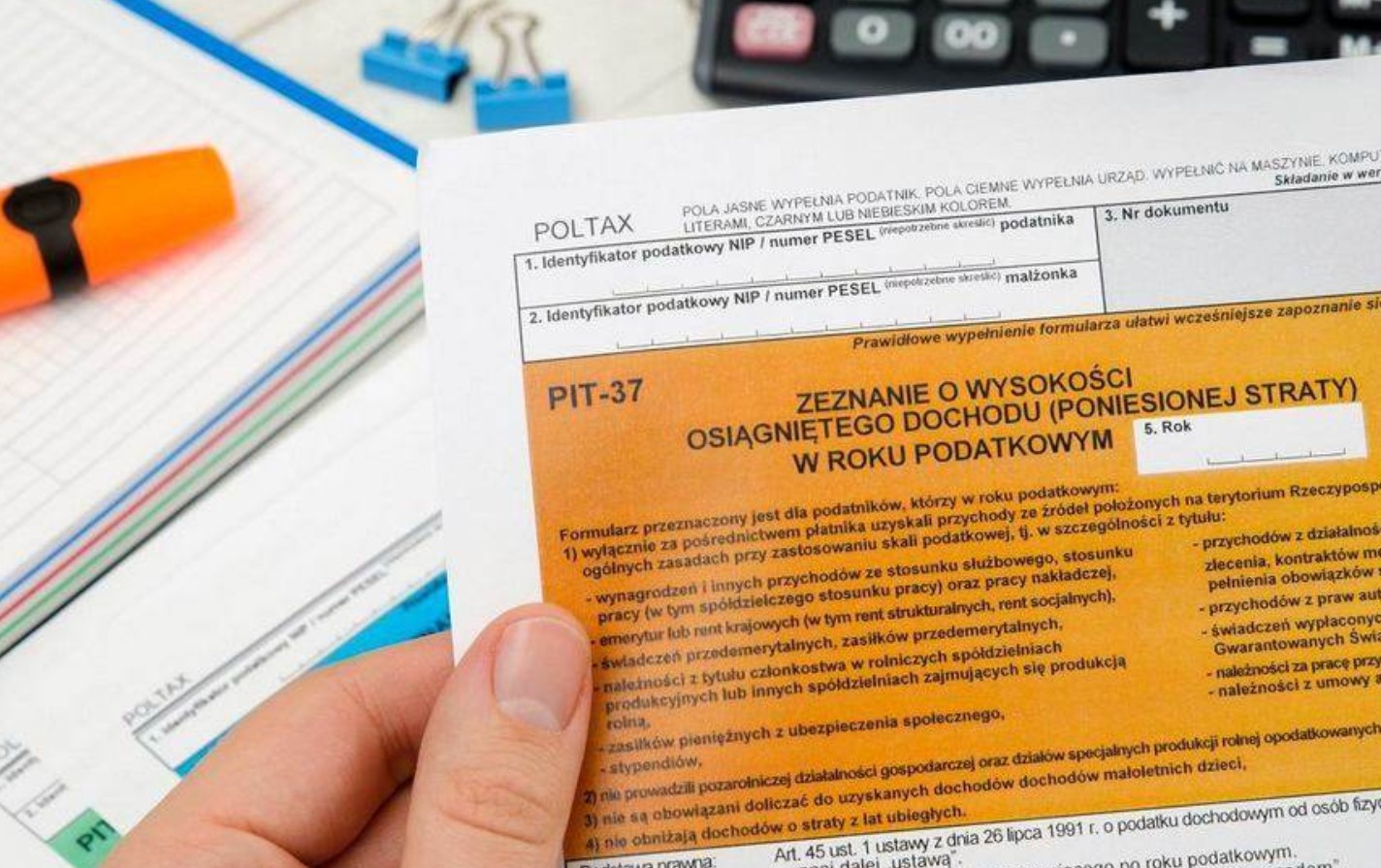
In Poland, maximum temperature limits for many workers will be abolished

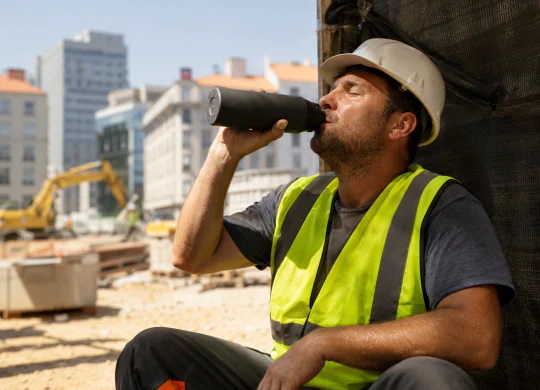
In Poland, starting from 2027, employers will have to halt certain works during extreme heat. At the same time, this requirement will not apply to several services and enterprises that are essential for ensuring safety and basic services. This is reported by In Poland.
What temperature restrictions will be introduced in Poland in 2027
Work indoors will need to be temporarily halted if the actual temperature exceeds 35°C. For heavy physical work outdoors, the maximum limit will be 32°C. A heat forecast will not be sufficient; real conditions at the workplace will be taken into account.
Specific thresholds have been established to enhance protection for workers. At temperatures of 28°C indoors, 25°C during heavy work indoors, and 25°C outdoors, the employer must take technical or organizational measures.
This concerns air conditioning, additional breaks, reduced working hours, changing schedules, or shifting workloads from the hottest hours. Specific solutions must be agreed upon by the employer with employees in accordance with occupational safety regulations.
If you are interested in working in Poland, we suggest checking out 350,000 job vacancies on the Layboard portal.
Who will not be subject to mandatory work stoppage during heat
Exemptions are provided for fields where a break may jeopardize people's safety or halt the provision of essential services. The list includes:
- police, military, border guards, and security service employees;
- firefighters, rescuers, and security personnel;
- medical staff and social service workers;
- transport, communication, and utility workers;
- staff of educational, cultural, tourism, and childcare institutions;
- workers in enterprises with continuous production processes.
A separate regime will apply to professions where high temperatures are part of the technological process. This particularly concerns steelworkers, welders, bakers, cooks, pastry chefs, roofers, road workers, and some construction workers.
For such workplaces, thermal loads will be assessed using the WBGT index. This accounts not only for air temperature but also humidity, air movement, and heat radiation from the sun or equipment.
An exception does not mean a complete abandonment of worker protection. Employers must continue to provide water, breaks, and safe organization of work. The new regulations will come into effect on January 11, 2027, six months after the publication of the decree.
Recall that in Poland, they want to imprison for 30 years for violations in the army.

Read also