Portugal's First City with Free Public Transport

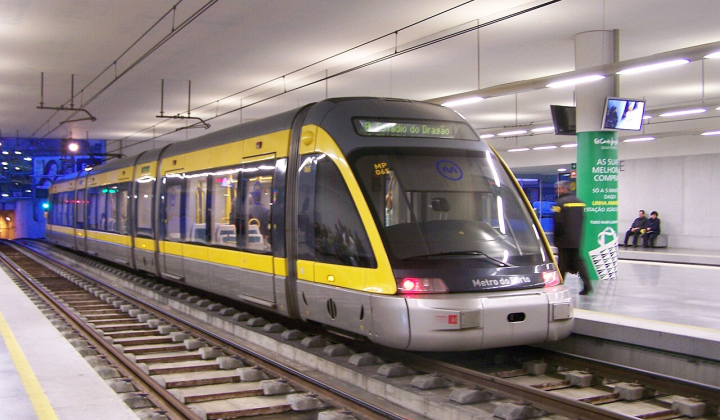
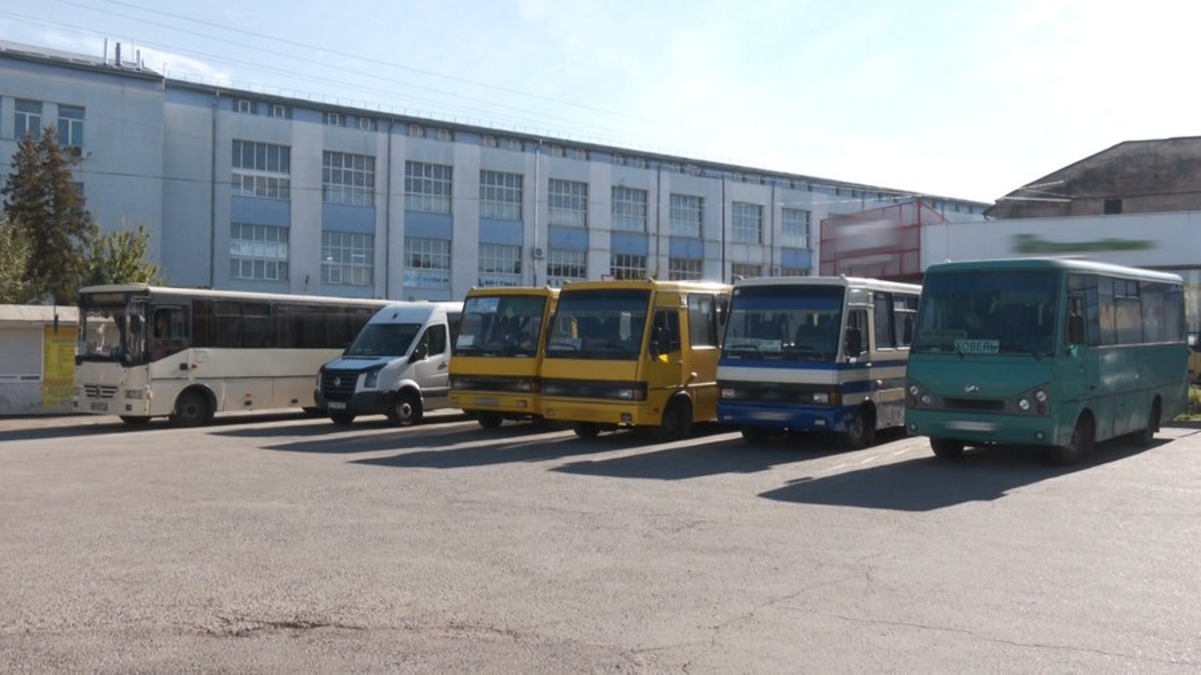
Porto has become the first city in Portugal where local residents can use all public transport for free. The city government hopes that the new model will help reduce traffic congestion, decrease the use of private cars, and make moving around the city faster. This is reported by Euronews.
Free Public Transport in Porto: How the New System Will Work
The new program is only available to residents of the municipality of Porto. It covers the entire Andante transport network, which includes the metro, STCP and Unir city buses, suburban trains, trams, as well as the future ferry service between Porto and Vila Nova de Gaia.
Mayor Pedro Duarte has stated that the implementation of the project will cost the budget between 20 to 25 million euros annually. One source of funding may be an increase in the tourist tax to 4 euros, which would match Lisbon's level.
Despite the ambitious nature of the project, the mayor emphasizes that free travel alone will not be an instant solution to transportation problems.
«We do not believe that this is a magic solution that will suddenly change the city's transportation system,» said Duarte.
Public Transport in Europe: Why More Cities Are Abandoning Fares
The main goal of the initiative is to reduce car traffic. According to local studies, around 56% of Porto residents currently choose their own cars for daily trips.
At the same time, the city is expanding infrastructure for public transport. By the end of the year, the length of dedicated bus lanes will increase from 16 to 22 km, which should improve the average speed of buses.
Porto has become the first city in the country to completely abolish fare payments for its residents. Meanwhile, at least fifty similar programs are already in operation in Europe. The most notable examples include:
-
Luxembourg, which made public transport free nationwide in 2020;
-
Tallinn, where such a system has been in place since 2013;
-
Montpellier in France, where after implementing free travel, the number of passengers increased by approximately one third within a year.
The Porto city government hopes that their project will serve as an example for other Portuguese cities. At the same time, they emphasize that to truly reduce traffic congestion, there need to be further investments in transport infrastructure and improvements in the speed and comfort of public transport.
It should be noted that in July and August 2026, young people under 28 years, including Ukrainian refugees, can travel for free between regions of France and Germany with certain regional passes.

Read also