Moscow Official Proposes Reviving Soviet-Era Teen Labor Camps

Olga Yaroslavskaya’s Proposal
According to Главком: Moscow’s Commissioner for Children’s Rights, Olga Yaroslavskaya, has called for reinstating the Soviet tradition of summer labor camps for teenagers. This proposal emerges as Russia’s agricultural sector faces a severe labor shortage, with an estimated deficit of 250,000 to 300,000 workers expected by 2026. Yaroslavskaya framed the initiative as a
“real-life story that our children will support”
. The move is widely seen as part of the Kremlin’s broader strategy to secure cheap labor, which also includes a plan to recruit pensioners into the workforce.
Growing Inequality and Agricultural Challenges
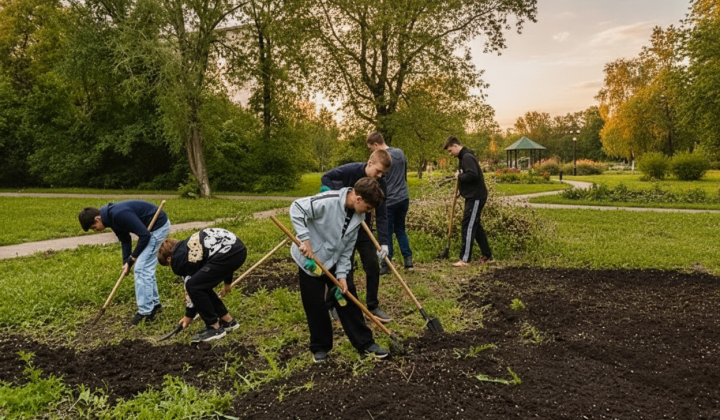
The plan would involve sending schoolchildren to perform summer farm work, echoing the Soviet-era practice of dispatching youth en masse to collective farms for harvest duty. Meanwhile, social inequality in Russia continues to worsen: the Gini coefficient has climbed to 0.422, marking the third consecutive year of rising income disparity. This gap is increasingly visible against the backdrop of limited leisure options for most Russians:
- 55% plan to spend their vacations outdoors near home;
- only 7% intend to travel within the country;
- just 6% are planning trips abroad.
The agricultural sector is grappling with a chronic shortage of labor, lacking 30–40% of its required workforce each year. Russia’s Minister of Economic Development, Maxim Reshetnikov, has already announced a project to bring pensioners back into the workforce, further underscoring the nation’s labor crunch. Yaroslavskaya’s proposal has sparked debate, as many remember how such campaigns operated in the Soviet Union, where young people were heavily mobilized for work initiatives.
Yaroslavskaya’s suggestion to revive teen labor camps is part of a wider conversation on how to address Russia’s labor shortages, particularly in agriculture. Against a backdrop of deepening social inequality and restricted holiday options for most citizens, this initiative raises questions not only about its effectiveness but also about its moral and social acceptability. It also prompts consideration of how such changes might shape young people’s attitudes toward work in modern society.
As discussions around labor shortages intensify, it's worth noting that the Russian government has allocated significant resources to youth militarization over the past five years. This initiative, which has seen expenditures of 50 billion rubles, reflects a broader trend in utilizing young people for state-driven agendas. To explore how these efforts are shaping the future of Russian youth, read more about the militarization of youth in Russia.

Read also