Affordable Magnetic Signature Tech Developed in the US to Detect Drones

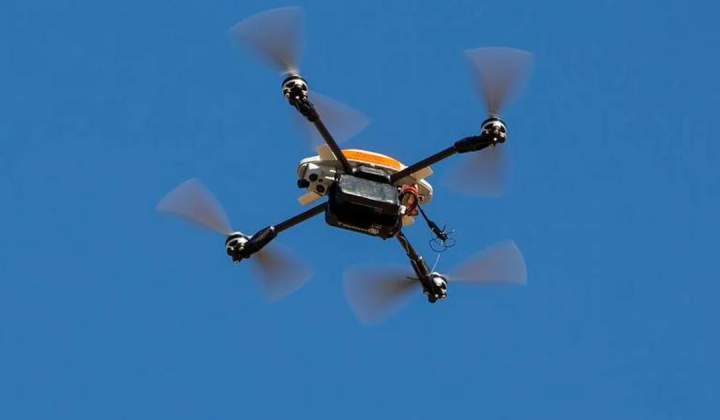
Detecting Drones Through Their Magnetic Fields: A Cost-Effective and Stealthy Approach from the US
According to НВ — Техно: Researchers at Florida International University have created an innovative drone detection system that identifies unique magnetic signatures generated by drone motors. This technique offers a cheaper and less conspicuous alternative to conventional radar detectors. It achieves an impressive detection accuracy of 98.52% at distances up to 15 meters, providing promising new tools for airspace security and drone control.
How the Drone Detection Works
The FIU team’s method relies on low-frequency magnetic fields emitted by drone electric motors. Since each drone model produces a distinct magnetic fingerprint, this allows the technology to distinguish between different drones with high precision. Arjuna Madanayake, one of the lead researchers, explained:
"Current detection systems all have drawbacks-radar emits signals, and acoustic sensors can be overwhelmed by background noise. We chose a completely different path." Arjuna Madanayake
He also highlighted that "our system costs only a few hundred dollars and can operate continuously without the need for specialized maintenance, unlike radar setups."
The US Department of Defense is allocating substantial funding toward developing drones and counter-drone technologies. The 2027 fiscal year budget includes $74 billion dedicated to these efforts. A major part of this initiative is a $40.5 million contract for 6,000 Striker attack drones, which employ artificial intelligence for urban combat scenarios. Designed to be portable in backpacks, these drones are intended for use by infantry units on the frontline.
Striker drones operate on the XOS operating system and can conduct attacks without relying on communication signals. They work in tandem with the X-Strike combat module-a disposable, modular munition equipped with an electronic safe and arm device (ESAD) and a warhead. This procurement followed thorough evaluation of 120 Striker systems at Fort Carson, Colorado.
As drone threats continue to grow, improved detection methods become critical. Madanayake emphasized, "Knowing the specific type of approaching drone is essential. Different drones carry varied payloads and pose different risks. The more information defenders have about incoming drones, the better they can respond."
Therefore, this magnetic signature detection technology has the potential to greatly enhance threat response capabilities.
This US-based innovation comes amid increased reliance on drones in military conflicts and security operations. Given the Pentagon’s hefty investments in drone and counter-drone technologies, such advancements are poised to play a vital role in protecting populated areas and improving rapid, informed defensive measures. This development underscores the ongoing need for cutting-edge security solutions to address evolving modern challenges.

Read also