Port Attacks Trigger Mass Death of Seahorses as Oil Ravages Marine Ecosystem

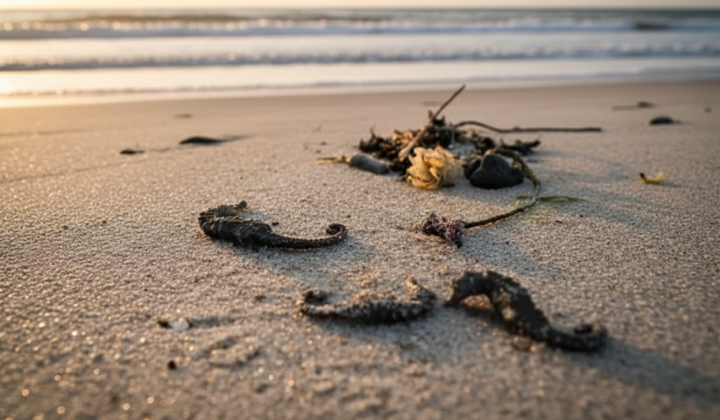
Seahorse and Mussel Devastation in the Odesa Bay Area
According to Главком: Strikes on port infrastructure in the Odesa Bay have caused a mass die-off of seahorses and mussels due to vegetable oil spilling into the sea. Contamination has also been detected in the Tuzly Lagoons National Nature Park. The primary cause of death for the Black Sea seahorses (Hippocampus guttulatus) is thousands of tons of vegetable oil that entered the water following attacks on port terminals. This type of pollution is particularly insidious as it can smother marine life and persist in the environment.
In areas near the 9th to 11th stations of the Great Fountain, concentrations of dead seahorses have reached 35 individuals per square meter. The oil, which settles on the seabed, is churned up during storms, clogging the gills of seahorses and leading to their death, with severe knock-on effects for the marine ecosystem. The oily polymers are also damaging mussel colonies, which further degrades overall water quality.
Findings and Ecological Consequences
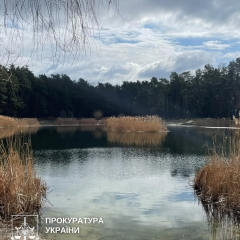
Ecologist Ivan Rusev has confirmed similar findings in the Tuzly Lagoons National Nature Park, where clumps of oil and dead birds were discovered at the 28th kilometer of the sandy isthmus. The distance between the two main oil spill sites is approximately 150 km. The spills originated after the Russian army struck two civilian vessels, the Emmakris III and the Captain Karam, which had entered port to load wheat.
'The coastline is now acting like a trap. What we see on the sand is only a fraction of the tragedy, concentrated there by the currents.' – Vladyslav Balinsky
Efforts to restore the seahorse population began in 2017, but the current crisis threatens to undo that progress entirely.
These events have grave consequences not only for the Odesa Bay ecosystem but for the entire Black Sea, where seahorses play a vital role in maintaining biodiversity. Pollution from vegetable oil can lead to long-term ecological issues, impacting local fisheries and tourism. Authorities and ecologists must take urgent action to mitigate the damage and begin restoring the affected ecosystems.

Read also