Zelensky’s Letter and Strike on St. Petersburg Port Dominate SPIEF 2026

Forum Opens with a Surge
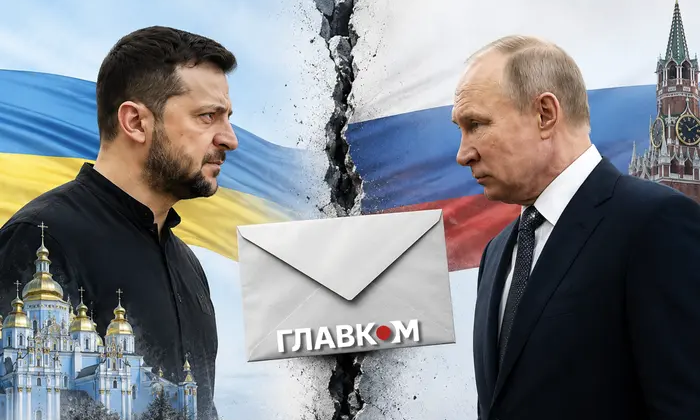
According to Главком: The opening day of the 2026 St. Petersburg International Economic Forum (SPIEF) was marked by a major success for Ukrainian drone operations, underscoring Kyiv’s active role in both kinetic and information warfare. On day two, discussions shifted to a letter sent by Ukrainian President Volodymyr Zelensky to Russian President Vladimir Putin, which became a highlight of the Ukrainian Armed Forces’ spring campaign. Notably, this marked the first time since 2021 that Putin partially acknowledged Zelensky’s legitimacy-a shift reflecting evolving rhetorical stances from both leaders.
Contrasting Leadership Strategies
Putin’s messaging primarily targets two key audiences: himself and a core group of 21–23% ultra-patriots. In contrast, Zelensky aims to reach the passive majority, which makes up 62–64% of the population. This approach may be linked to anticipated fuel shortages in Russia between October and December 2026, which could fuel growing public discontent. At the same time, Putin raised the specter of a nuclear strike by referencing the 'Oreshnik' system, signaling an escalation in tensions.
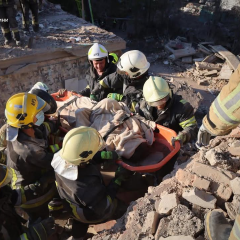
- Key events of the spring campaign included the strike on the St. Petersburg port
- Mention of Zelensky’s letter
These developments highlight Ukraine’s intensified military and information efforts. In response, Putin stated:
“Ukraine is derailing the negotiations”
, reflecting his view of the current bilateral relationship. He also remarked that
“the Oreshnik hasn’t been truly used yet”
, hinting at the potential for further threats from Russia.
Experts predict an expansion in the geographic scope of military strikes in the coming months, further underscoring the complexity of the situation. As information and kinetic campaigns become increasingly central to modern conflicts, the events at SPIEF 2026 are likely to significantly shape the region’s trajectory.
The proceedings at the St. Petersburg International Economic Forum reflect not only ongoing military tensions but also shifts in the political discourse between Ukraine and Russia. Putin’s acknowledgment of Zelensky’s legitimacy may signal adjustments in both leaders’ strategies, as well as a possible change in how the international community perceives the conflict. At the same time, escalating rhetoric from both sides-including nuclear threats-points to sustained regional instability and the potential for further military action.
As tensions escalate, it's crucial to understand the broader implications of these developments. Recent admissions from Putin regarding drone incursions highlight not only Russia's vulnerabilities but also the shifting dynamics in international military cooperation. For a deeper analysis of how these factors may influence global defense strategies, including offers of air defense expertise to other nations, read more about it here.

Read also