11 People Wounded in Russian Shahed Drone Strike on Odesa

Odesa Attack and Ukraine’s Response
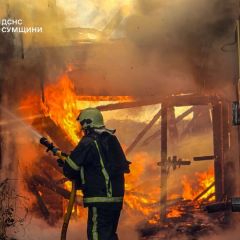
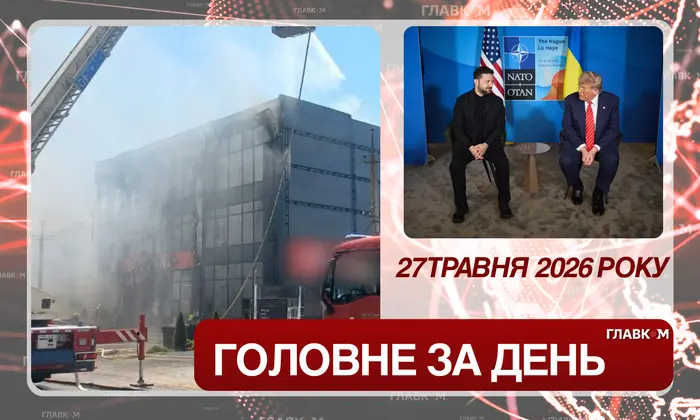
According to Главком: On May 27, Russian forces launched an attack on Odesa using Shahed kamikaze drones. The strike left 11 people injured, including two children aged 11 and 12. Among the wounded were nine adults-three women and six men. Eight victims were taken to the hospital, with three in serious condition. The assault also damaged three cars, a Nova Poshta branch, a liquor store, and a pet shop, where a dog was killed.
Ukrainian President Volodymyr Zelenskyy sent an urgent letter to U.S. President Donald Trump and the U.S. Congress. The document warned of a critical shortage of air defense systems in Ukraine and urged the United States to provide Patriot missiles and additional defense systems. This appeal highlights the ongoing vulnerability of Ukrainian cities to aerial attacks.
Russian Mobilization and Hungary’s Decision
Ukraine’s Ministry of Defense announced the launch of a program called 'Logistic Lockdown,' aimed at scaling up mid-range strikes and systematically destroying Russian capabilities at operational depth. Over recent months, Ukraine has quadrupled the destruction of enemy logistics, warehouses, equipment, command posts, and supply routes.
Zelenskyy also reported that Russia is preparing for additional mobilization, involving at least tens of thousands of people.
“Russia’s political leadership has set the task of increasing the occupation contingent. We are talking about at least tens of thousands more. We also have data on further mobilization increases – the Russian authorities have stepped up the issuance of so-called mobilization orders for this purpose.”
- Volodymyr Zelenskyy
Hungary’s parliament voted to keep the country in the International Criminal Court (ICC). The decision came just before a law on withdrawing from the ICC was set to take effect on June 2. The vote saw 133 lawmakers in favor, 37 against, and five abstentions. The document now requires the signature of Hungarian President Tamás Sulyok.
Other notable developments include a Russian strike hitting a children’s playground in Kherson, and London and Warsaw signing a new security agreement. Additionally, Ukraine’s parliament, after a second attempt, terminated the mandate of lawmaker Tsabal.
The attack on Odesa underscores the persistent threat to civilians amid ongoing hostilities in Ukraine. Zelenskyy’s appeal to the U.S. reflects the dire state of Ukraine’s air defense capabilities, which could have severe consequences for national security. Meanwhile, Russia’s planned mobilization signals its intent to bolster forces, potentially escalating the conflict further. Hungary’s decision to remain in the ICC also carries weight for international legal frameworks and the pursuit of justice during wartime.
As the situation escalates, reports indicate that Russia may be gearing up for another wave of mobilization due to significant losses on the battlefield. This development could further intensify the conflict and impact Ukraine’s defensive strategies. For a deeper understanding of how these mobilization efforts could reshape the ongoing war, see our detailed analysis on Russia's potential new mobilization wave.

Read also