Tomahawk Missile Deal: European Powers to Guard the Strait of Hormuz in Exchange for Weapons to Ukraine

France, Germany, and the UK Join the U.S. Naval Mission
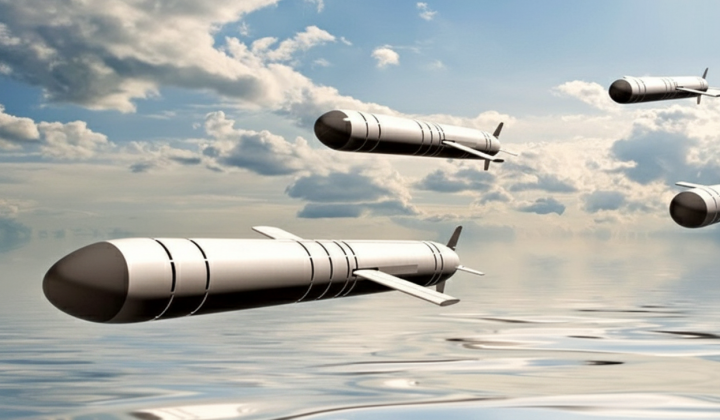
According to Главком: According to The National Interest, France, Germany, and the United Kingdom may take part in a U.S.-led naval operation in the Strait of Hormuz. The proposed arrangement would supply Ukraine with long-range Tomahawk cruise missiles, a move that could significantly shift regional dynamics. It is worth noting that the situation in the Persian Gulf has become a bargaining chip for Ukraine, while the United States needs allied support to restore free navigation through the strategic waterway.
This potential deal could overturn the earlier decision to scrap the deployment of American long-range missiles in Germany. Chancellor Friedrich Merz's directives concerning the conflict with Iran have acted as a catalyst for this shift. A NATO summit scheduled in Ankara two months from now will serve as a key forum for further discussions. Announcing European involvement may impose additional costs on Iran, as the blockade in the strait is already harming critical Chinese industries.
Prospects for Military Cooperation and Security
European officials stress that no European nation will engage in combat operations against Iran unless Tehran attacks their vessels. The French-British proposal is built on a defensive mission framework, reflecting a desire to avoid escalating the conflict. Talks in London are expected to define the mission's composition and task distribution, further highlighting the need for coordination among allies.
Germany has also seen calls for joint missile system development with Ukraine. However, Washington has ruled out stationing Tomahawk missiles on German soil, raising concerns among European partners. U.S. Secretary of State Marco Rubio stated that Iran's control over the Strait of Hormuz cannot be normalized. He emphasized that
'blocking a strategic waterway is unacceptable to the international community.'
In summary, the discussion of French, German, and British participation in the U.S. naval operation in the Strait of Hormuz opens new avenues for strengthening international security while bolstering Ukraine's position on the global stage as it gains access to advanced weaponry. This situation illustrates a shifting geopolitical landscape, where Ukraine emerges as a key player in international affairs, and Western support could substantially enhance its defense capabilities. The intensification of military cooperation within NATO also signals Europe’s commitment to collective security and countering potential threats from Iran.
As tensions escalate in the Strait of Hormuz, the call for diplomatic engagement is becoming increasingly urgent. Recently, Macron urged Iran to pursue dialogue to mitigate the risks associated with military escalations in the region, emphasizing the importance of communication amid the shifting geopolitical landscape. This context underscores the significance of the proposed military cooperation among European nations and the U.S. in ensuring maritime security.

Read also