Tisza Party Proposes Overhaul of Hungary’s Public Media System

Public Media Reform in Hungary
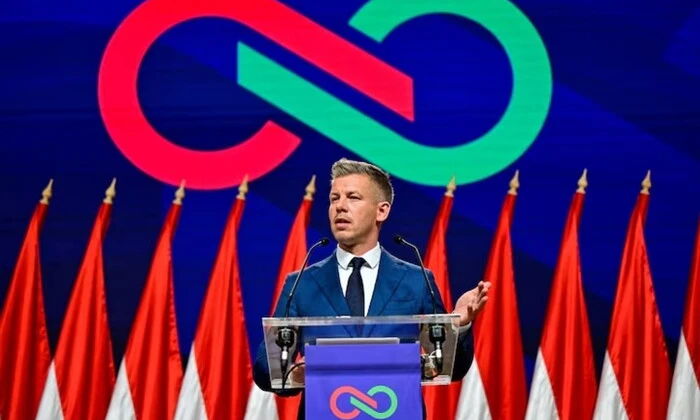
According to Главком: Hungary’s Tisza Party has submitted a bill to parliament aimed at restructuring public media to create outlets free from political interference. This reform is a cornerstone of Prime Minister Péter Magyar’s election platform. After securing a constitutional majority in the recent parliamentary elections, the Tisza Party now has the power to push through these proposed changes.
The legislation calls for the breakup of the MTVA media conglomerate, allowing radio and television to operate as separate entities. A key element is restoring the national news agency MTI as an independent body. Additionally, the plan includes setting up an Independent Committee for Public Media, which would oversee funding and operations of public broadcasters. This committee would have equal representation from government and opposition parties, along with independent journalists.
Shifts in the Media Landscape
The reforms also target Hungary’s Media Council. Once the law takes effect, all current public media executives would lose their positions. During a transitional period, Culture Minister Zoltán Tar will coordinate the overhaul, and new heads of state broadcasters will be chosen through open competitions. As the bill’s authors state,
“no single political force will be able to unilaterally control the editorial policy of public broadcasters.”
The primary goal, according to Magyar’s team, is to establish independent public media and eliminate political influence over editorial decisions. These changes aim to boost transparency and accountability in Hungary’s media sector.
Separately, the Hungarian parliament unanimously approved a bill to cut salaries for public officials. This legislation reduces pay for MPs, ministers, the parliamentary speaker, and Prime Minister Péter Magyar. It also eliminates mobile phone allowances and slashes compensation for office rent, housing, and staff. These decisions reflect a push for greater fiscal discipline and responsibility among public servants.
The passage of this media bill could mark a significant step toward improving Hungary’s media environment, long criticized for lack of independence. Establishing an independent committee and reviving the national news agency as an autonomous entity may help reduce political sway over the media, potentially strengthening freedom of expression. Meanwhile, the salary cuts for officials signal the government’s intent to manage public funds more responsibly amid ongoing financial challenges.
As Hungary navigates significant political changes, the recent proposal to reform the public media system aligns with broader constitutional amendments aimed at enhancing governmental accountability. These developments highlight the ongoing efforts to reshape Hungary's political landscape, making it essential to stay informed about the implications of such reforms. For more details on Hungary's constitutional revisions and their potential impact on leadership, visit the latest updates on constitutional changes.

Read also