Ukraine Urges EU to Ease Carbon Tariffs on Steel, Warning of Potential 5% GDP Loss

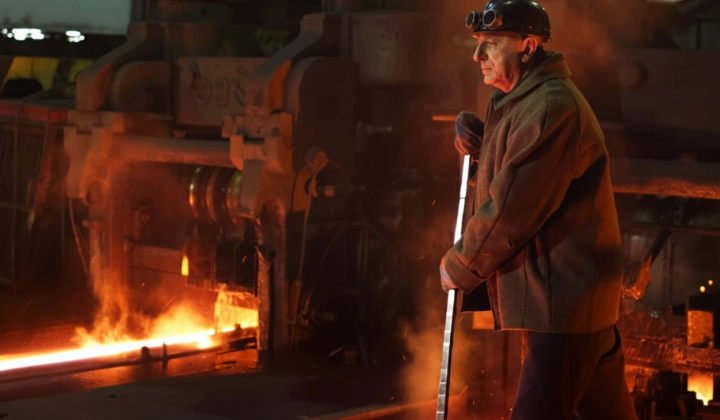
Ukraine’s Negotiations with the European Union on the CBAM Mechanism
According to Главком: Ukraine is in talks with the European Union to secure exemptions or softer terms under the Carbon Border Adjustment Mechanism (CBAM) for its steel industry. Fully enforced on a financial level since 2026, CBAM imposes extra costs on imports based on their CO₂ emissions, particularly affecting products like steel. This has already put Ukrainian exports at risk, as some European buyers are canceling contracts to avoid the new charges. Several companies report losing actual orders in early 2026.
How CBAM Impacts Ukraine’s Economy
Data shows that Ukraine’s metal product shipments have more than halved compared to the pre-war period. The Ukrainian government is actively negotiating with the European Commission, seeking solutions such as special conditions or a delay in CBAM’s application for Ukraine. Notably, similar requests from other countries have previously been rejected. The final decision on Ukraine will depend on the European Commission’s assessment.
According to the Federation of Employers, CBAM’s implementation could cost Ukraine 5% of its GDP as early as 2026. Forecasts for that year predict a 4.8% economic contraction, a 7.8% drop in exports to the EU, and a 13.1% decline in the manufacturing sector. Specifically, exports of long steel products to the EU have fallen by 60%, while pipe exports have decreased by 44%. These figures highlight the severe economic consequences that CBAM could trigger for Ukraine.
In the broader context of global climate action, CBAM is likely to significantly impact countries with strong steel industries, such as Ukraine, a major steel exporter. If negotiations fail to yield favorable results, Ukraine’s economy could face serious challenges, including production cuts and reduced competitiveness in European markets. As a result, developments in this area will remain a key focus for both the government and the business sector.
The potential economic impact of the Carbon Border Adjustment Mechanism extends beyond immediate tariff concerns. As detailed in a recent report, the EU carbon tax has already disrupted Ukrainian metal exports, leading to significant financial losses and job reductions. Understanding these broader implications is crucial for grasping the stakes in Ukraine's ongoing negotiations with the EU.

Read also