New Antarctic Protected Zone Established by Ukraine

Fresh Conservation Area Designated in Antarctica
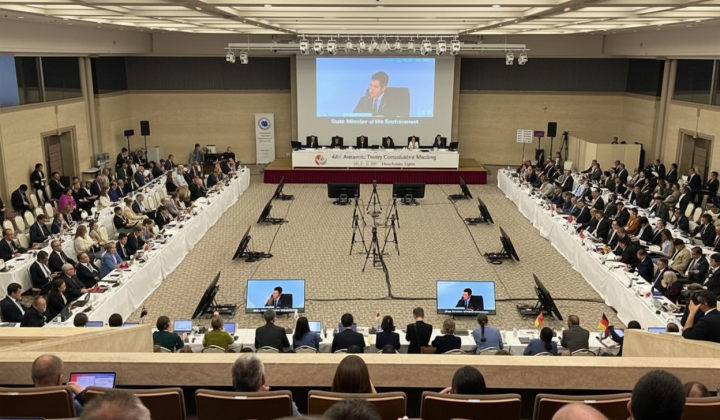
According to Главком: Ukraine has successfully secured the creation of a new specially protected zone in Antarctica's Collins Bay. The decision was reached during the 48th Antarctic Treaty Consultative Meeting, held from May 11 to 21 in Hiroshima, Japan. After three years of international negotiations, the Ukrainian delegation's proposal received approval. This conservation area comprises five separate sites in Collins Bay, located near the Akademik Vernadsky research station. The initiative aims to provide long-term ecosystem protection against growing tourism pressures and the adverse effects of climate change.
International Community Rallies Behind Ukraine
At the meeting, Ukraine also called for condemnation of the illegal detention of Ukrainian marine biologist Leonid Pshenichnov by Russian authorities in Crimea. This appeal was backed by all consultative parties from Europe, Japan, South Korea, Australia, and New Zealand. In response, the Russian delegation labeled the matter an internal state affair and urged focus on unifying topics within the Antarctic community.
The Antarctic Treaty includes 58 member nations, 29 of which hold Consultative Party status, including Ukraine. During the conference, three countries-Canada, the Republic of Belarus, and Turkey-applied for Consultative Party status. Ukraine supported the bids from Canada and Turkey but called for a delay in considering Belarus's application. A new polar strategy for Antarctic governance is scheduled for adoption in 2026.
The National Antarctic Scientific Center noted that 'the new protected area encompasses five distinct zones in Collins Bay. These sites are recognized for their unique moss ecosystems, bird colonies, glacial landscapes, and rich biodiversity. The goal of Ukraine's initiative is to ensure the long-term preservation of these ecosystems from increasing tourist activity and the negative impacts of climate change.'
Establishing this new Antarctic conservation zone underscores Ukraine's growing role in international environmental efforts and its ability to conduct effective global negotiations. Furthermore, international support on the issue of the unlawfully detained Ukrainian scientist highlights the significance of scientific collaboration and human rights protection within international relations. These developments could serve as a catalyst for Ukraine's further engagement in Antarctic policy and broader environmental matters.

Read also