Ukraine Raises War's Impact on Heritage and Chernobyl Anniversary at UNESCO Session

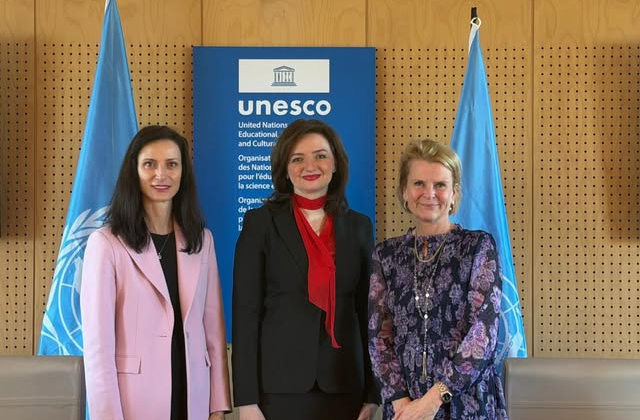
Meetings Held by Mariana Betsa at UNESCO Headquarters
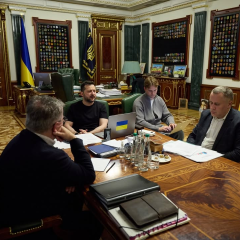
According to МЗС: During the 224th session of UNESCO's Executive Board, Mariana Betsa, Ukraine's Deputy Foreign Minister and Chair of its National Commission for UNESCO, held a series of meetings at the organization's headquarters. Discussions focused on critical issues stemming from the Russian Federation's war, including its impact on UNESCO's core mandates in education, culture, science, and media. A key topic was the international response to a Russian strike on the historic center of Lviv on March 24, 2026, a site inscribed on the UNESCO World Heritage List. This highlights the ongoing threat the conflict poses to globally significant cultural treasures.
Negotiations with International Partners
Betsa met with UNESCO's Assistant Director-General, Osa Rehnert, and the Assistant Director-General for Communication and Information, Maria Gabriel. She also held talks with the Chair of the 43rd session of UNESCO's General Conference, the Permanent Delegate of Bangladesh to UNESCO and Ambassador to France, Khondker Talha, and the Chair of UNESCO's Executive Board, the Permanent Delegate of Qatar to UNESCO, Ambassador Nasser bin Hamad Al Ghizab.
Furthermore, Betsa conducted meetings with representatives from the delegations of the United Kingdom, France, Germany, Japan, and other nations. These discussions emphasized the urgent need to hold Russia accountable for its actions damaging Ukraine's cultural heritage and educational institutions. Among the initiatives discussed was marking the 40th anniversary of the Chernobyl disaster during the current UNESCO session. These diplomatic efforts underscore the importance of sustained international support for Ukraine as it defends its sovereignty and cultural identity.
The series of meetings demonstrates Ukraine's proactive diplomatic stance in seeking international support to protect its heritage and institutions during wartime. Raising the issue of Russian accountability for destroying cultural sites and educational facilities is a crucial step in consolidating global backing. The situation in Ukraine, including the commemoration of Chernobyl's 40th anniversary, stresses the vital role of international cooperation in preserving memory and upholding shared cultural values amidst conflict.
In light of the ongoing threats to Ukraine's cultural heritage, the recent appointment of a UNESCO representative following the attack on Lviv's historic site underscores the urgency of international collaboration. This decision aims to bolster global efforts in protecting significant cultural landmarks, particularly as discussions continue around the impact of the war on Ukraine's identity and heritage. To learn more about this strategic appointment and its implications, read our detailed coverage on Ukraine's new UNESCO envoy.

Read also