Even exams are written in pencil until Grade 6: a Ukrainian mother describes school life in Spain


How Spain's schools handle exams: pencils are allowed-and expected-until sixth grade
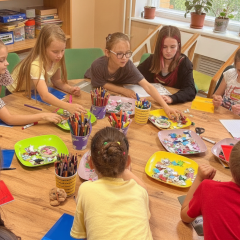
According to Radiotrek — Світ: Blogger Vira Vovchuk, whose son goes to school in the Spanish town of Torrevieja, recently described a classroom rule that many Ukrainian parents find unfamiliar. For Ukrainian families settling in Spain, small differences like this often stand out right away. In Spanish primary schools, children write with pencils rather than pens up to the sixth grade-not only for exercises and homework, but for official exams as well. Pens are introduced for tests only when students reach sixth grade.
Vovchuk explained the reason behind the rule: a pencil allows a child to erase a mistake easily. She also noted that Spanish schools deliberately encourage students not to be afraid of getting things wrong, and she believes that attitude is very good for children.
"The mindset here is that mistakes are a normal part of learning, and students shouldn't fear them," Vovchuk said. "I find that really valuable." Vira Vovchuk
The article also mentions earlier material published about Spanish teachers and Ukrainian children, as well as about living with cockroaches in Spain. Together, these reports paint a picture of the differences in teaching approaches and the adjustments Ukrainian children face in a new educational environment.
Vira Vovchuk's experience points to broader differences in how educational systems can shape a child's psychological growth. Allowing pencils until sixth grade may help students build a healthier relationship with mistakes and with learning itself-something that can pay off in the long run. For Ukrainian children adapting to schools in Spain, this kind of contrast underscores just how important it is to offer support and recognize the cultural and educational gaps that can affect both learning and social life.

Read also