Free Housing Ends for Ukrainian Refugees in Poland as of July 1

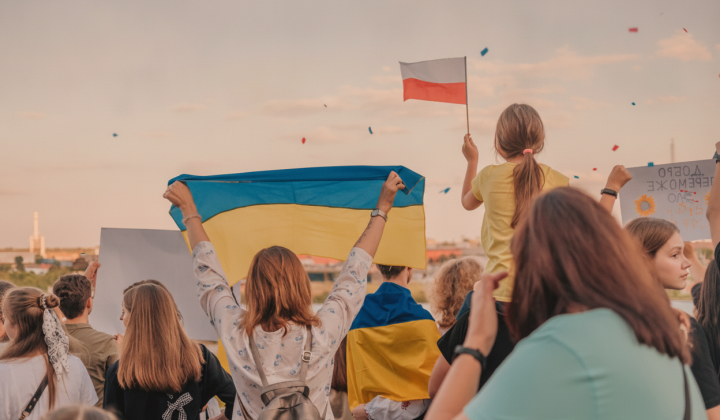
Poland Tightens Social Support for Ukrainian Refugees
According to Главком: Starting July 1, 2023, the majority of Ukrainian refugees in Poland lost government-funded accommodation in collective housing centers. This policy change affects nearly 11,000 individuals, half of whom are children. It marks another phase in the gradual reduction of aid for Ukrainians who fled the war. The first round of restrictions took effect on March 5, when a Polish law cut several social benefits.
New Rules and Their Impact
Under the updated regulations, Ukrainian mothers with children over one year old and elderly individuals receiving a Polish pension-even a minimal one-are no longer eligible for free housing. Meanwhile, free accommodation will continue to be guaranteed for:
- People with disabilities,
- Pregnant women,
- Pensioners without Polish benefits or relatives in the country.
Managers of housing centers estimate that around 40% of current residents will have to leave.
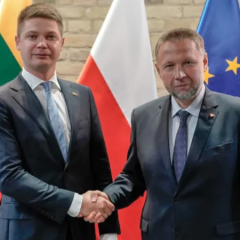
Poland's Ombudsman, Marcin Wiącek, has reached out to the Ministry of Family, Labour and Social Policy regarding these changes, noting that 'the most difficult cases will be reviewed individually.'
Similar trends are emerging across the European Union. In Germany, for example, social benefit rules for Ukrainian refugees were also tightened on July 1. Some recipients will be moved from Bürgergeld to the basic income scheme Grundsicherung, and employment centers will more rigorously scrutinize assets, savings, and readiness to work.
The overall temporary protection status for Ukrainians in the EU remains valid until March 4, 2027. Notably, this is not the first reduction in benefits for Ukrainian refugees in Poland: back in December 2025, the country ended co-financing for housing for some displaced people who had lived in state-provided accommodation for over a year.
These shifts in Poland's social policy reflect a broader trend of diminishing support for Ukrainian refugees, potentially increasing their vulnerability. As EU countries grapple with economic pressures, such measures highlight the challenge of balancing refugee aid with domestic social needs. This could reshape migration patterns and the integration of Ukrainians into Polish society.
As the Polish government tightens its support, many Ukrainian refugees are facing increased challenges. This shift echoes similar measures across Europe, where housing access is also being restricted. For a deeper understanding of how these changes are affecting the ability of Ukrainians to find shelter, read more about the recent reduction in housing options in collective centers.

Read also