Ukrainian Drone Strikes Trigger Fuel Shortage Across Russia

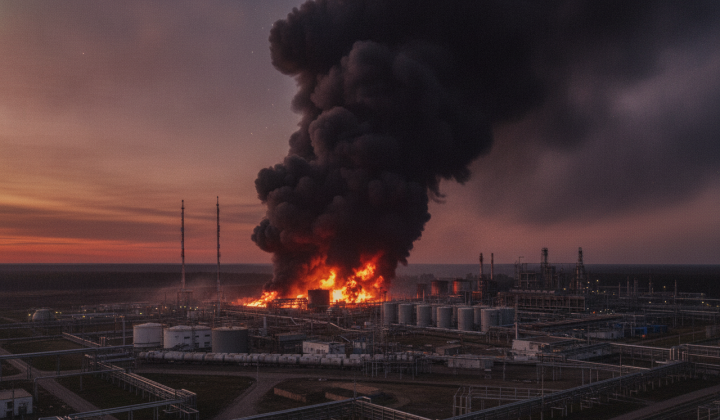
Ukraine Intensifies Attacks on Russian Energy Infrastructure
According to ХВИЛЯ: A surge in Ukrainian drone operations against Russian oil facilities has created a major fuel crisis inside Russia. In May alone, Ukrainian drones successfully struck Russian oil refineries 16 times. Since the start of 2026, these facilities have been targeted at least 194 times-11 more incidents than during the same period last year. As a result, more than half of Russia’s regions have imposed strict limits on fuel sales.
Rising Attack Numbers and Growing Losses
In June, Ukraine launched multiple strikes on Moscow’s only oil refinery. During the first six months of 2026, Russian forces reported shooting down at least 63,933 Ukrainian drones over Russia and occupied territories. In May, 14,195 drones were intercepted, and that number climbed to 17,832 in June. By contrast, in January and February, monthly intercepts stayed below 6,000.
Since February 2026, Russia has been launching over 5,000 missiles and drones at Ukraine each month. Just this past Thursday, Russian forces fired 74 missiles and nearly 500 drones at Kyiv, resulting in tragic casualties: 31 people killed, more than 90 wounded, and 10 others missing.
President Volodymyr Zelenskyy announced a 40-day influence operation aimed at disrupting Russian capabilities. On June 28, Putin acknowledged in an interview that Ukrainian strikes are causing serious problems for Russia. He also ordered his troops to seize the remaining parts of Donetsk Oblast by year’s end. However, Zelenskyy denied claims that Kostiantynivka had been captured-claims the Kremlin had publicized alongside a video allegedly filmed from a command post.
Experts point out that Ukraine has achieved a technological breakthrough, scaling up production of long-range drones and increasing overall serial manufacturing.
“Putin made yet another fatal strategic mistake by assuming time was on his side. He didn’t force Ukraine to surrender-instead, he gave it the time needed to ramp up mass production of long-range strike drones,” said Ruslan Pukhov.
Analysts also note that Ukraine has transformed its operations from relatively narrow attacks on oil infrastructure into a broader strategic campaign aimed at draining Russia’s energy, logistics, industrial, and export systems.
“The Russians still expect that the Americans will 'hand over' Ukraine to them. There are no signs of concessions whatsoever,” emphasized a source involved in behind-the-scenes contacts.
As a result, the situation in the region remains tense, with actions by both sides pointing to an escalation that could have serious consequences for the war and for energy stability in Russia. Ukraine’s deepening strikes on Russian energy infrastructure may further deplete the opponent’s resources, while Russia’s response risks increasing regional tensions and leading to more military losses on both sides.
Amidst the escalating conflict, the situation surrounding Russian oil facilities remains complex. Recent reports indicate that an explosion at an oil refinery near Moscow was attributed not to Ukrainian strikes but rather to a malfunction of Russian air defense systems. This incident highlights the ongoing vulnerabilities within Russia's energy infrastructure, further complicating the already critical fuel shortages. For more insights into this incident and its implications, read about the explosion caused by Russian missile systems.

Read also