Russian Economy Drains Under Pressure from Ukrainian Strikes

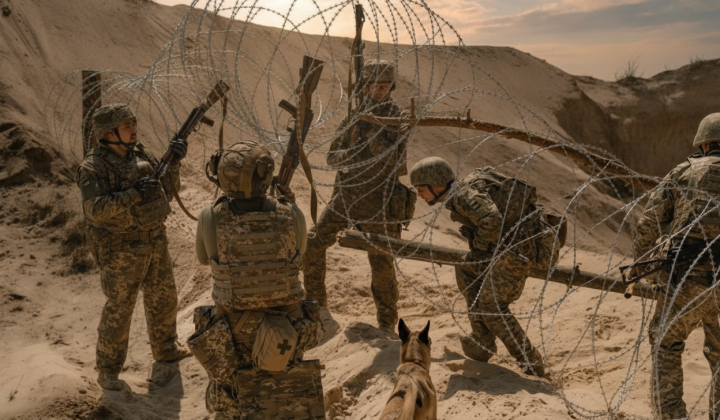
How the War in Ukraine Is Reshaping Russia's Economic Landscape
According to Главком: Shifting perceptions of the conflict in Ukraine are now taking a heavy toll on Russia’s economy. As Ukraine advances its military technology and intensifies strikes on Russian soil, Moscow’s ability to export goods is increasingly constrained. This mounting pressure is pushing Russia closer to its economic breaking point, reflected in a widening budget deficit and rising inflation.
When the full-scale war began, Ukraine was often seen as the weaker side. But this year, the dynamic has shifted: Russia’s battlefield and economic influence are eroding. The Ukrainian military has strengthened its capacity to hit targets deep inside Russia, including Moscow. Attacks on oil refineries have curbed Russia’s export capacity, while strikes on energy infrastructure are compounding the country’s economic troubles.
Russia’s Economic Struggles and Ukraine’s Growing Resilience
Russia is grappling with serious economic headwinds. Its budget deficit has already surpassed the annual target for deficit spending. Inflation may be running higher than official figures suggest, and non-military sectors are finding it increasingly difficult to secure financing. Economic growth slowed in the first quarter, and compensation payments to fallen and wounded soldiers are now having macroeconomic consequences.
Rising oil and gas prices-driven partly by the conflict with Iran-have not delivered the expected boost to Russia, largely because Ukrainian strikes have disrupted its energy infrastructure. A tougher European stance on Russia’s shadow fleet of tankers, along with trade sanctions, is further squeezing the economy. Some war funding is being concealed through targeted private loans and borrowing by regional governments.
Meanwhile, Ukraine’s economy has managed to partially recover from the production slump it suffered after 2022. Growth is expected to continue this year, with tax revenues gradually improving. Business sentiment in Ukraine is also on the rise, though Kyiv still relies on financial aid from allies to cover wartime expenses. In December, the European Union approved a €90 billion loan package-a critical step in shoring up Ukraine’s economy.
During a G7 summit meeting with Volodymyr Zelenskyy, U.S. President Donald Trump stressed the need to intensify pressure on Russia.
In response, President Zelenskyy authorized a 40-day influence operation targeting Russia, carried out by Ukraine’s Security Service. These moves signal a more assertive Ukrainian strategy on the international stage.
Against this backdrop, the Kiel Institute released a report titled 'Endgame,' proposing tariffs on remaining trade with Russia, with proceeds directed to Ukraine. Other recommendations include:
- tightening sanctions;
- improving enforcement;
- cracking down on evasion;
- transferring frozen Russian assets to Ukraine.
These initiatives could become key tools in countering Russian aggression and supporting Ukraine during this difficult period.
Developments on the front lines and in Russia’s economy suggest that shifts in Ukraine’s strategy and continued international support could significantly alter the conflict’s trajectory. On one hand, stepped-up Ukrainian military action and allied backing may accelerate Russia’s economic decline. On the other, Ukraine’s economic growth-despite the challenges-points to its potential for recovery and a stronger international standing.
The economic impact of ongoing military actions is becoming increasingly evident, as Russia’s budget deficit has surged to alarming levels. To understand the full scope of this economic strain, it is crucial to examine the latest developments, including how the budget deficit has reached a staggering $83 billion. For a deeper insight into the financial challenges facing Russia, read more about the current budget crisis and its implications for the nation's economy.

Read also