Patriot Missile Shortage Forces Ukraine to Rethink Air Defense Tactics

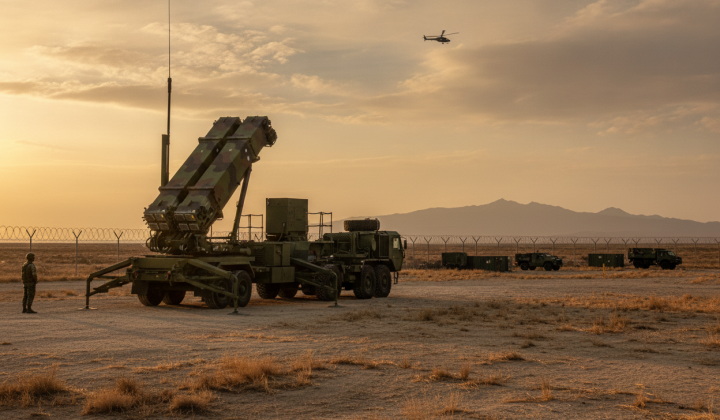
How Ukraine Adjusted Its Use of the Patriot System
According to Главком: Facing a critical shortage of interceptor missiles, Ukrainian forces have revised their operational approach to the Patriot air defense system. These tactical adjustments include:
- Firing a single interceptor instead of two,
- Switching to manual mode to conserve missiles,
- Employing a 'shoot-and-scoot' strategy.
Additionally, Ukraine has begun deploying dummy Patriot launchers-costing roughly $30,000 each-to simulate the presence of these systems. The core challenge remains a lack of missiles, a problem exacerbated by ongoing conflicts elsewhere in the world. In response, Ukraine has formally requested that the United States grant a license to produce Patriot systems and interceptor missiles domestically.
Ukrainian Patriot operators now launch just one interceptor per engagement instead of two or more, a shift designed to stretch limited supplies. The systems have also been placed in manual mode, giving crews greater control over missile usage. To counter attack drones, Ukrainian forces rely not only on Patriot batteries but also on machine guns, mobile fire teams, helicopters, and interceptor drones.
The 'shoot-and-scoot' tactic involves Patriot batteries rapidly leaving their firing position immediately after launching missiles. This reduces the risk of detection and enemy retaliation. Despite these constraints, Ukrainian troops continue to seek ways to improve system effectiveness by adapting lessons learned to real combat conditions.
“Initially, the military used the tactics taught by American instructors at Fort Sill. But real combat experience forced a rethink of the approach,” said Vyacheslav Ageyev.
Ukraine is also actively using decoy Patriot systems, which cost around $30,000 each. These create the illusion of a robust air defense network even when actual missiles are scarce. Since the start of the year, amid escalating conflict, Russia has launched 521 ballistic missiles at Ukraine, of which 164 were intercepted. However, wars in the Middle East and the Persian Gulf region have drained global stocks of Patriot-compatible missiles, further complicating Ukraine's situation.
“Ukrainian soldiers supplemented the knowledge they received with their own solutions and discarded some templates to improve system performance in combat,” Ageyev emphasized.
With missile supplies dwindling, President Volodymyr Zelenskyy has urged the U.S. to issue a license for domestic production of Patriot systems and interceptors. Currently, only the United States, Germany, and Japan hold such licenses. Ukraine’s Defense Minister Mykhailo Fedorov has also announced plans to negotiate for Patriot missiles, underscoring the urgent need to bolster the country’s air defense capabilities.
Ukraine’s military adaptation of Patriot systems in active combat demonstrates its ability to respond swiftly to changing circumstances. Given the missile shortage, these strategic tactical shifts could prove decisive in maintaining effective air defense. Ukraine's request for a U.S. production license highlights not only a critical need for additional resources but also the growing importance of technological self-reliance in an era of global threats.
As Ukraine adapts its air defense strategies in response to the ongoing missile shortages, the situation underscores the urgent need for additional support from international allies. This has prompted Ukraine to make a desperate appeal for missile transfers to bolster its defense capabilities against increasing aerial threats.

Read also