Ukraine's Music Stars Split Songs Into Three Categories As AI Floods the Industry

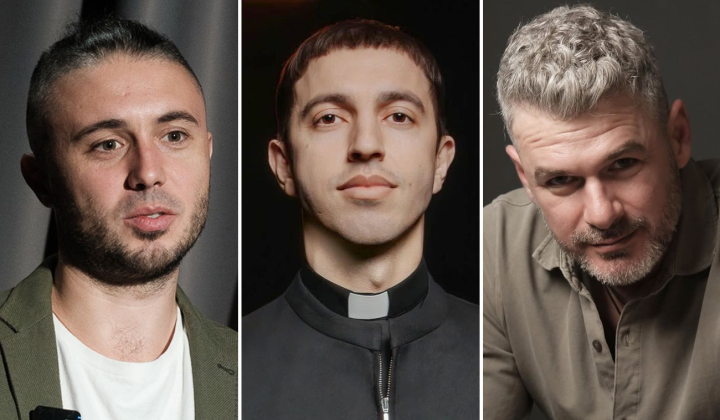
How Artificial Intelligence Is Reshaping Music: A Discussion
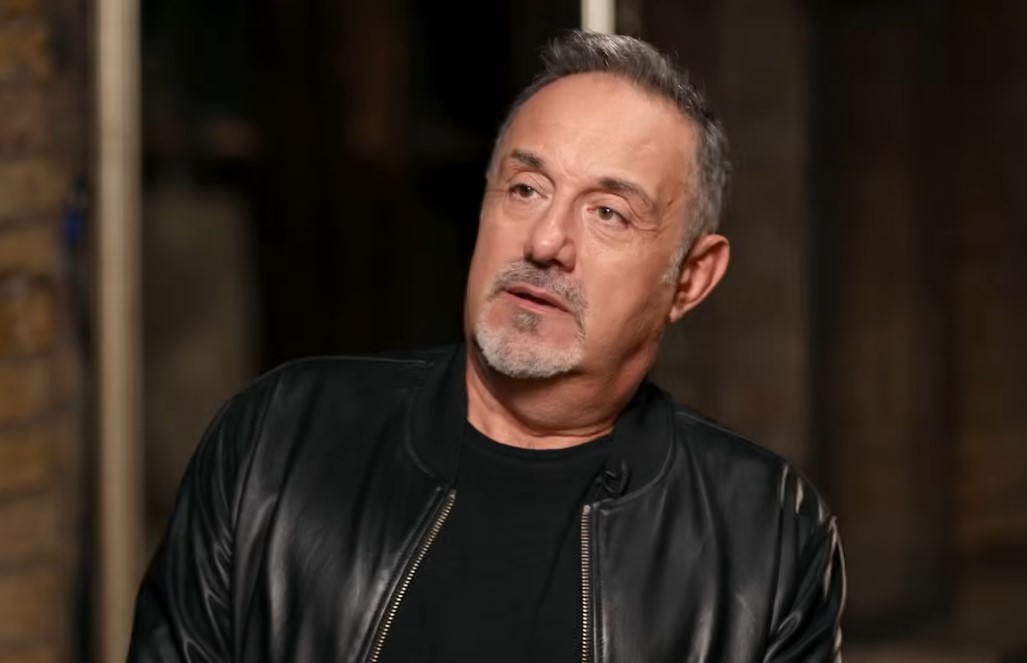
According to РБК-Україна — Lite: Ukrainian musicians Taras Topolya, Arsen Mirzoyan, Ivan Lyulenov, and MUAYAD recently gathered to examine artificial intelligence's growing role in music. They proposed a three-tier classification system for AI-influenced works:
- fully AI-generated tracks;
- split works where AI contributes roughly 50%;
- compositions where AI plays only a supporting role.
Taras Topolya, who serves as deputy head of the NGO UAASP, confirmed that his organization is already registering split works and has received numerous requests for this category.
MUAYAD shared a personal experience: AI created versions of his song before its official release. A fragment of the arrangement and his vocals were used to generate the rest of the track, which then appeared on YouTube channels. In response, producer Alona Harmash asked the label '6 seconds' to block some of that AI-generated content, but the material remains accessible on pirate sites.
Topolya pointed out that 100% AI-generated tracks are not protected by copyright. He also reminded listeners that the International Confederation of Societies of Authors and Composers (CISAC) advocates for protecting human contributions to music. Legal frameworks for AI use in music are still being developed, and all AI platforms were trained on real songs. Importantly, every author retains the right to prohibit the use of their works for training AI models.
Current Challenges and What Lies Ahead
Streaming platforms like Spotify now inform listeners about the share of AI in a track, which is listed in the song's 'DNA.' However, the responsibility for accurately reporting that AI share falls on the author. Worldwide, about a hundred court cases are currently underway involving AI-generated works and allegations of illegal enrichment.
“No matter how much I, as an author, like or dislike the arrival of a competitor like AI, it exists, it is developing rapidly, and we cannot ignore it.”
Taras Topolya
Discussing AI's evolution in music, Arsen Mirzoyan noted that “AI capabilities are improving, and this is a productive trend for collaboration with artificial intelligence.” In contrast, Ivan Lyulenov urged caution, emphasizing that a live performer has a unique ability to convey emotions-something technology cannot fully replicate.
As AI's footprint on the music industry grows ever larger, industry players are actively debating its consequences, including both risks and benefits tied to these emerging tools. Legal regulation and copyright remain critical issues that demand further discussion and development to strike a balance between innovation and protecting creators' rights. While technology continues to advance, musicians must adapt to these new realities to maintain their place in the industry.
As the music industry grapples with the implications of AI, platforms are taking steps to enhance transparency. For instance, Deezer has introduced a tool to identify AI-generated music across various streaming services, reflecting a growing demand for clarity in how AI influences music creation. This development highlights the ongoing challenges artists face in protecting their work in an increasingly automated landscape.

Read also