IOC Bans Ukrainian Skeleton Athlete's Memorial Helmet Tribute at 2026 Olympics

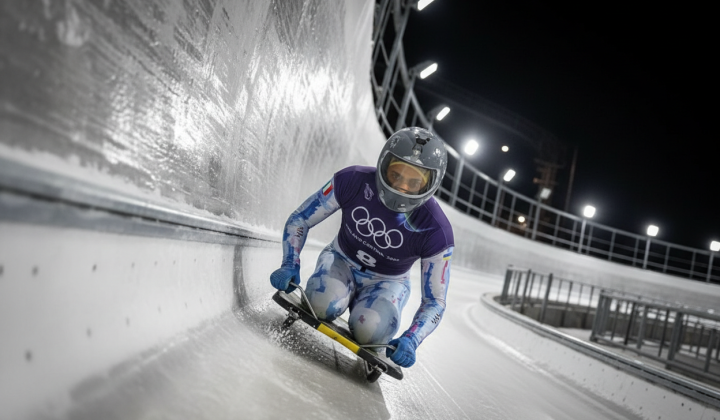
Vladyslav Heraskevych's Act of Remembrance at the 2026 Games
According to Главком: At a training session for the 2026 Olympics, Ukrainian skeleton racer Vladyslav Heraskevych wore a helmet honoring fallen Ukrainian athletes, defying an explicit ban from the International Olympic Committee (IOC). The helmet featured images of deceased sports figures, including figure skater Dmytro Sharpar and biathlete Yevhen Malyshev. The IOC prohibited its use, citing Rule 50, which forbids political, racial propaganda, or discrimination at the Games. This rule is central to the Olympic Charter's aim of political neutrality, but its application is often contentious.
Communication with the IOC and Reactions
Initial communications with the IOC regarding the helmet began during an unofficial training session. In a subsequent meeting with an IOC representative at the Olympic Village, Heraskevych was informed of the strict prohibition. He is now coordinating with the National Olympic Committee of Ukraine on next steps. Heraskevych stated that the ban 'simply breaks the heart,' arguing that the IOC is betraying athletes who are part of the Olympic movement by denying them a chance to honor the dead on a sporting stage.
Furthermore, Heraskevych noted that his team is preparing an official request to the IOC. He emphasized that 'this helmet deserves to be here, at the Olympic Games,' and believes he has the right to compete wearing it. Ukrainian President Volodymyr Zelenskyy supported this stance, stating that 'this truth cannot be inconvenient or inappropriate.' He added that the tribute serves as a reminder to the world about modern Russia and the athletes who can no longer compete.
In a contrasting incident, Italian snowboarder Roland Fischnaller competed in Olympic qualification wearing a helmet featuring a Russian flag, which drew no reaction from the IOC. These events highlight the complex political landscape athletes navigate when attempting to memorialize the fallen.
This situation illustrates the tension between sporting organizations and the political realities athletes face, particularly in the context of the war in Ukraine. Heraskevych's memorial helmet has become a symbol of protest against prohibitions that many feel ignore profound tragedy. Simultaneously, the IOC's actions raise questions about the selective application of its rules, potentially leading to further conflicts within the sporting world.

Read also