Why freight transportation rates by rail will remain unchanged despite losses of 22 billion from passengers

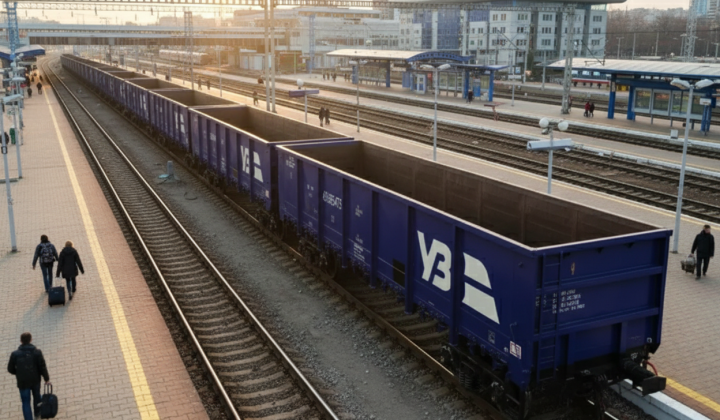
New Project of Ukrzaliznytsia
According to Главком: To reduce cross-subsidization between freight and passenger transport, Ukrzaliznytsia has launched a pilot project. The need for this step is due to the enormous losses in the passenger segment amounting to 22 billion hryvnias. Although it was initially planned to raise freight rates by 40% to improve the company's financial health, the Committee of the Verkhovna Rada on economic development recommended that the government not change them until 2026.
It is worth noting that in Ukraine, railway tariffs are an important pricing factor for entire industries. The President of the Ukrainian Union of Industrialists and Entrepreneurs (USPP), Anatoliy Kinakh, expressed concern as the tariff schedule has not been reviewed since 2009:
“This creates unequal competitive conditions and increases the cost of Ukrainian products, primarily in the mining and metallurgical and agro-industrial sectors. As a result, the competitiveness of our exports decreases.” - Anatoliy Kinakh
Requirements for Reform
According to Kinakh, any increase in tariffs should be accompanied by economic justification and follow the principle of 'do no harm to the economy.' He also emphasized the importance of resource optimization and increased management transparency:
“It is about optimizing resource use, transparency, addressing the needs directly, and efficiency in expenditures. Especially considering that significant funds are lost due to inefficient purchases and corrupt schemes – from the supply of diesel fuel to components.” - Anatoliy Kinakh
The Minister of Economy also expressed concerns that the overall increase in tariffs "will not yield results," and some freight may shift to road transport or disappear due to the shutdown of enterprises. For successful reform of Ukrzaliznytsia, experts believe a comprehensive set of measures is necessary, including:
- conducting audits,
- improving legislation,
- approving clear financial plans for the company,
- enhancing management quality and transparency.
Industries most dependent on railway tariffs include metallurgy, mining, and chemical industries, as well as manufacturers of building materials. The issue of the effectiveness of Ukrzaliznytsia's tariff policy and its impact on the country's economy remains open.
Reducing cross-subsidization is an important step towards the financial stabilization of the railway operator. However, prolonged freezing of tariffs raises concerns in the business environment, which may negatively affect the competitiveness of Ukrainian goods. Successful implementation of reforms in Ukrzaliznytsia can improve the economic situation, but it is crucial to consider all risks and implement transparent management mechanisms.
As Ukraine's railway system grapples with financial instability, the implications for passenger services are becoming increasingly dire. The reliance on freight revenue has proven unsustainable, leading to a critical examination of the entire transportation model. For a deeper understanding of how these challenges are reshaping the future of rail transport in Ukraine, explore our article on the crisis in passenger services.

Read also