Rare Golden Bear Figurine Discovered in a 4th–3rd Century BCE Saka Burial Mound Near Almaty

Excavations at the Karagaily Burial Site
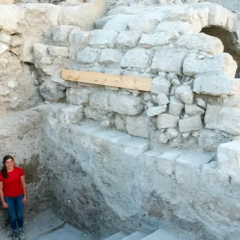
According to НВ — Техно: Archaeological digs at the Karagaily cemetery near Almaty uncovered a burial mound dating back to the 4th–3rd centuries BCE, showing clear signs of ancient looting. At the heart of the tomb lies a pit around three meters deep, dug by grave robbers. Researchers uncovered the remains of seven individuals-four adults and three children. Due to the disturbance caused by looters, most funerary artifacts were scattered, complicating the process of precisely dating the burials.
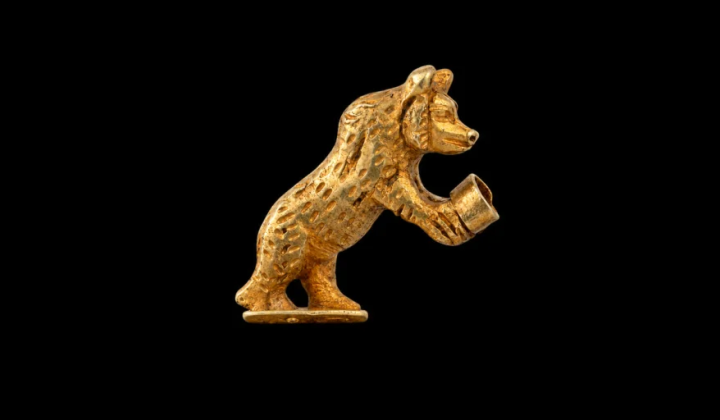
Among the artifacts, a remarkable gold bear figurine crafted through casting was found. The figurine features perforations suggesting it may have adorned a headdress. Animal motifs on headgear were a distinctive element of Saka culture. Archaeologist Lyazzat Sagindikova noted:
“This find is unprecedented in Kazakhstan’s archaeological record,” adding that “no similar golden bear figurine has ever been discovered in the country before.”
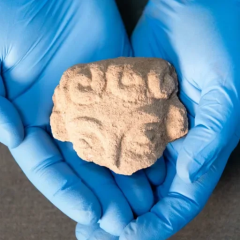
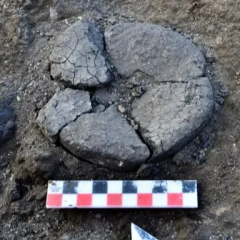
Typically, burial mounds of this size in Kazakhstan contain the remains of one or two individuals, making the presence of seven bodies in a single mound highly unusual, according to Marat Nurpeisov. Pottery fragments from the Saka period were also recovered, enriching the understanding of the region’s cultural heritage.
The Ancient City of Semiyarka
In addition to the Karagaily excavations, archaeologists made a significant 2023 discovery of the ancient city of Semiyarka, dating to around 1600 BCE. Covering 140 hectares, this Bronze Age proto-urban settlement features advanced metallurgical workshops specializing in copper and tin processing. Its size is more than four times larger than comparable settlements in the region at the time, indicating a highly developed local civilization.
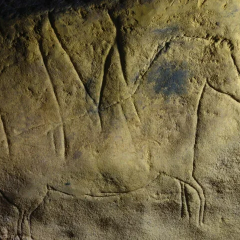
The Saka culture, renowned for its exquisite gold craftsmanship, animal imagery, and monumental tombs, continues to captivate scholars worldwide. Their artistic tradition, known as the 'animal style,' includes depictions of:
- deer
- big cats
- mountain sheep
- birds
This artistic richness is exemplified by the golden bear figurine from Karagaily. Planned anthropological studies aim to determine the exact number of individuals buried and the burial conditions, providing deeper insights into this pivotal era of Kazakhstan’s history.
Discoveries at the Karagaily cemetery and the ancient city of Semiyarka highlight the crucial role of archaeological research in uncovering Kazakhstan’s cultural legacy. These finds offer fresh perspectives on the lifestyle and customs of the Saka people, who significantly influenced the region’s development. Examining artifacts like the golden bear figurine allows researchers to better understand not only the artistic achievements but also the social structures, religious beliefs, and daily life of the ancient civilizations that once inhabited this land.
In a similar vein of uncovering ancient artifacts, recent excavations in Turkey revealed charred loaves dating back five thousand years, providing insights into the dietary practices of early civilizations. Such discoveries enrich our understanding of historical cultures and their everyday lives, much like the findings at the Karagaily site.

Read also