Lost Illyrian City with a One-of-a-Kind Temple Unearthed in Albania

Hellenistic Temple Discovery in Northern Albania
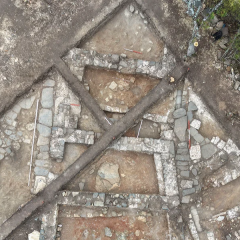
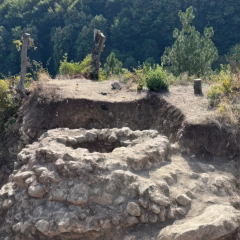
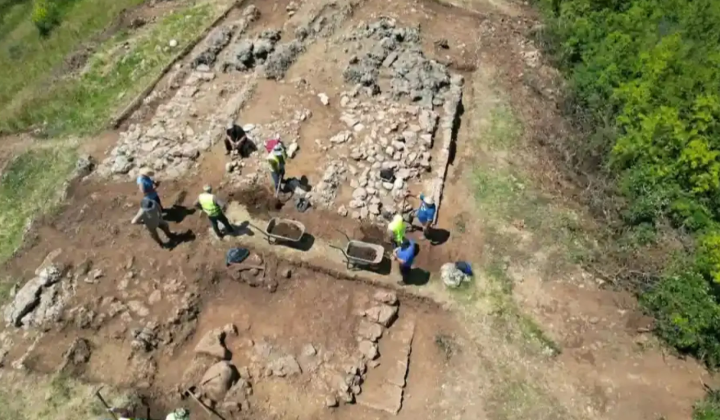
According to НВ — Техно: Archaeologists have uncovered the remains of a large Hellenistic temple in northern Albania, linked to a long-lost Illyrian settlement. This marks the first Illyrian religious structure ever found in the area. The temple's foundation measures 13.6 meters in length and 9.6 meters in width, matching the dimensions typical of classical Greek temples. Excavations at the site have been ongoing since 2018, and researchers have also partially documented a defensive wall that encircled the hill where the temple once stood.
Historical Significance of the Find
Dating back to the 4th through 2nd centuries BCE, the temple offers new insights into Illyrian civilization. According to Professor Piotr Dyczek,
“the structure’s placement on the highest part of the hill and its alignment with the cardinal directions strongly suggest these ruins are from a temple that crowned the city’s acropolis between the 4th and 2nd centuries BCE”
. He further notes that
“the temple’s dominant position at the hilltop and its orientation to the world axes provide compelling evidence of its religious purpose and its role as a central feature of the city’s urban landscape”
.
Archaeological data indicates the city was abandoned during the Hellenistic period. In the 3rd century CE, the Romans constructed a smaller building near the temple ruins, which remained in use for nearly a hundred years. This Roman structure likely served as a strategic lookout point, overseeing the territory from Shkodër to ancient Lissus and the Adriatic coast. The defensive wall surrounding the hill had a dual purpose: it provided protection and also demarcated the sacred space known as the temenos.
These discoveries in northern Albania open up fresh avenues for studying Illyrian culture and its interactions with Greek and Roman civilizations. The temple’s identification helps clarify the religious practices and social organization of Illyrian cities, as well as their influence on neighboring regions. This find could be a major step in restoring Albania’s historical heritage and understanding its role in the ancient world.
This discovery of the Hellenistic temple not only sheds light on the Illyrian civilization but also parallels other significant archaeological findings in the region. For instance, a recent mask unearthed in a Croatian cave indicates connections to Dionysian rituals, suggesting a broader cultural and religious landscape shared by the ancient Illyrians. Such findings enrich our understanding of the rituals and societal structures that defined this fascinating civilization.

Read also