Extinct Microbial Brine Pool Discovered in the Red Sea Reveals Oxygen-Free Life and Metal Accumulation

Discovery of a Dormant Brine Pool Harboring Oxygen-Independent Microbes in the Red Sea
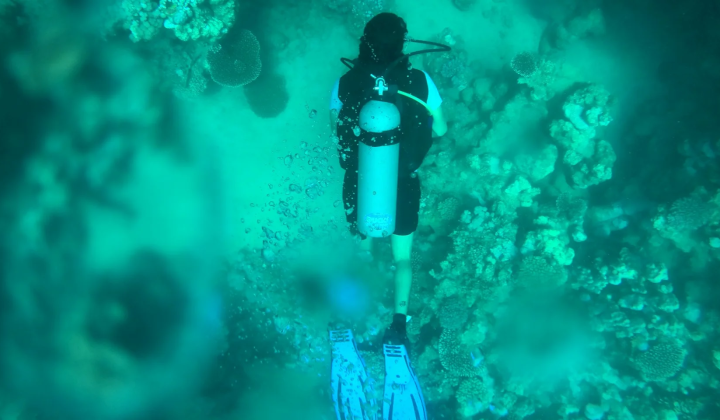
According to НВ — Техно: Scientists from the University of Miami and OceanX have uncovered an extinct brine pool in the Red Sea containing microorganisms capable of surviving without oxygen. Located in the Hume Basin, where the brine itself has long vanished, this site offers a rare glimpse into ancient life forms. Sediment layers analyzed from the basin include calcium carbonate skeletons of tiny multicellular organisms. The extremophile microbes identified thrived between approximately 16,000 and 2,000 years ago.
Identification of Novel Bacterial Species and Their Ecological Role
Among the newly discovered bacteria are slime-forming Myxococcota, members of the Nitrospira genus, and the Candidatus Brocadiae group. These microbes oxidize free manganese and iron into minerals, likely using these metals as energy sources in oxygen-deprived environments. The sediment deposits in these basins are exceptionally rich in manganese, iron, molybdenum, and copper-sometimes exceeding concentrations found outside the basin by over 100 times. Samples were collected using the OceanXplorer vessel and the Mariner XL Argus submersible.
Between 2020 and 2023, five brine pools were surveyed, with the NEOM basin in the Gulf of Aqaba at a depth of 1,770 meters and the Hume basin in the northern rift at 1,370 meters serving as focal points. Researchers employed metagenomic and metatranscriptomic techniques to analyze microbial genes. Their findings suggest these bacteria may represent some of Earth's earliest energy-generating life forms, predating the Great Oxygenation Event that occurred 2.4 to 2.1 billion years ago.
The study, published in AGU Advances, emphasizes that
"collectively, our data indicate that similar processes likely operated in other ancient, massive saline basins."
The researchers further note that
"many of these metals are critical for clean energy technologies, and understanding their accumulation mechanisms could guide future resource exploration."
Just a decade ago, deep-sea brine pools were often labeled as 'black death pools' and considered lifeless zones.
This discovery carries significant implications for understanding early life on Earth and advancing clean energy technology. Insights into how bacteria harness energy without oxygen could pioneer new breakthroughs in biotechnology and sustainable resource management. Studying such extreme environments also highlights the importance of conserving ecosystems that, despite being previously dismissed as dead zones, may hold vital scientific knowledge and valuable materials.
Understanding how these ancient microorganisms thrive without oxygen not only sheds light on their unique adaptations but also raises intriguing questions about their role in the ecosystem. For a deeper dive into the fascinating mechanisms through which Red Sea bacteria generate energy and leave behind metal traces, explore our related article.

Read also