Cuneiform Tablets and Human Remains Found in Iraq Shed Light on Bronze Age Siege

Discoveries from the Kurd Qaburstan Project
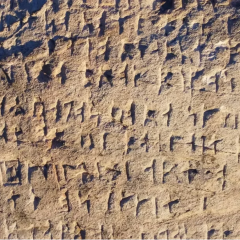
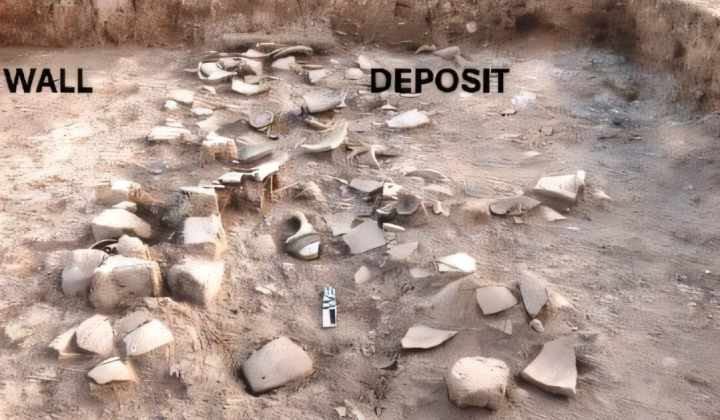
According to НВ — Техно: The Kurd Qaburstan Project has uncovered significant artifacts in the Eastern Palace of the Lower City on the Erbil Plain, providing evidence of the siege of Kabra and its conquest by Shamshi-Adad during the Middle Bronze Age. Excavations revealed 20 cuneiform tablets, over 100 administrative seals, and the remains of 17 individuals in destruction layers. These findings offer fresh confirmation of historical events and archaeological processes from that era.
Notably, the tablets are dated to within days of each other, aligning with the timeline of the city's fall. Tiffany Earley-Spadoni, an associate professor of history at the University of Central Florida and director of the Kurd Qaburstan Project, stated:
“Our research has uncovered clear archaeological evidence linking this site to the siege of Kabra.” - Tiffany Earley-Spadoni
She also noted that “most of the tablets are administrative and provide insight into palace life and the economy of the ancient city.” One tablet was likely written by a high-ranking official in ancient Kabra.
The remains of 17 individuals found in the destruction layers were not formally buried and lacked any grave goods. Earley-Spadoni emphasized that “these people appear to have been left where they died, including probable palace workers.” One individual was discovered face-down over a stone bowl. These findings support the theory of a coordinated, possibly prolonged attack on the city, resulting in destruction and loss of life.
Significance of the Discoveries
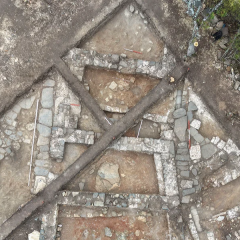
The excavations also uncovered a preserved street with an engineered drainage system, along with living quarters used for food processing and textile production. As Earley-Spadoni noted, “two superimposed destruction layers correspond to the historical sequence of the siege of Kabra and its conquest by Shamshi-Adad.” These discoveries rank among the clearest archaeological evidence of Middle Bronze Age siege warfare ever found in northern Mesopotamia.
For context, excavations at Tell Fara in the 1930s revealed a settlement over 5,000 years old, including a flood layer suggesting a massive deluge that may have wiped out an entire civilization. Similar flood traces have also been found at Ur, Kish, Harappa, and in Egypt. Together, these findings are crucial for studying the archaeology and history of the region.
These discoveries not only confirm key historical events but also open new avenues for exploring the socio-economic structures and daily life of people during the Middle Bronze Age. Uncovering such artifacts will deepen understanding of warfare and social change in ancient Mesopotamia, while shaping future archaeological research in this area.
These recent findings in Iraq echo the discoveries made at another archaeological site, where a significant number of remains were uncovered. The unearthed artifacts, including headless bodies in a Neolithic ditch, highlight the violent past and complex burial practices of ancient civilizations. Such parallels in archaeological evidence can provide deeper insights into the societal structures and conflicts of the time.

Read also