77 Headless Bodies Unearthed in Neolithic Ditch at Slovak Settlement

Mass Grave Discovery in Slovakia
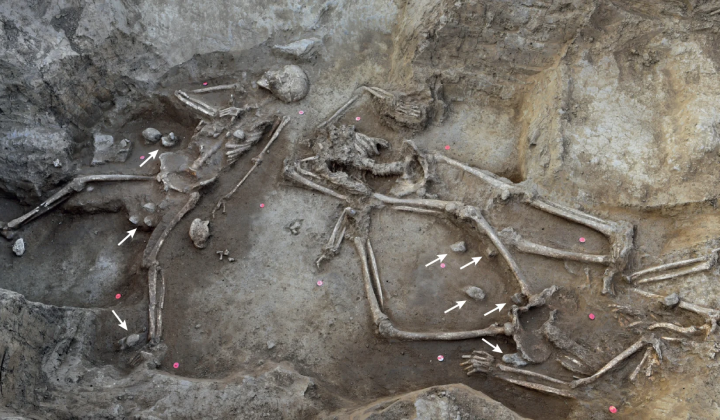
According to НВ — Техно: On June 9, 18:45 local time, archaeologists uncovered a mass grave containing 77 decapitated bodies in the ditch of a Neolithic settlement in Slovakia. This settlement, which thrived between 5250 and 4950 BCE, consisted of nearly 300 houses spread across three districts and was encircled by a perimeter ditch. Researchers note that all individuals were interred around the same period, except for one child whose skull remained intact.
Study and Its Implications
The findings, published in the journal Proceedings of the Prehistoric Society, have sparked significant interest among scholars. However, experts dismiss theories of warfare or catastrophe, instead leaning toward interpretations involving ritual or sacrifice.
The evidence clearly points to deliberate manipulation of the bodies.
Katharina Fuchs, biological anthropologist and co-author of the study
She further stated: 'Initial analyses suggest that these were not brutal beheadings, but rather skillful removal of the skulls.'
Notably, only a few skull fragments were found in the outer ditch, and no similar archaeological sites have been identified near Vráble. Martin Furholt, a professor at the Institute of Prehistoric and Protohistoric Archaeology at the University of Kiel, highlighted the challenge of interpreting such practices:
We must assume that these practices were embedded in entirely different frameworks of meaning than those in modern societies. That is precisely what makes their interpretation so difficult.
Martin Furholt, professor at the Institute of Prehistoric and Protohistoric Archaeology, University of Kiel
These discoveries open new avenues for understanding the cultural and ritual practices of people who lived thousands of years ago. They also underscore the importance of archaeological research in reconstructing past civilizations and their customs, which may differ greatly from contemporary views on life and death. Further studies could help reveal details about the social structure and religious beliefs of Neolithic communities in the region.
In addition to the intriguing findings in Slovakia, similar archaeological discoveries have emerged in other regions, such as a rare burial site in Egypt that featured both humans and wild boars. These cases highlight the diverse burial practices and cultural rituals across ancient civilizations. To learn more about this fascinating excavation, see the details in our article on unusual burial customs in Egypt.

Read also