Executions Surge in Iran After Hostilities Cease

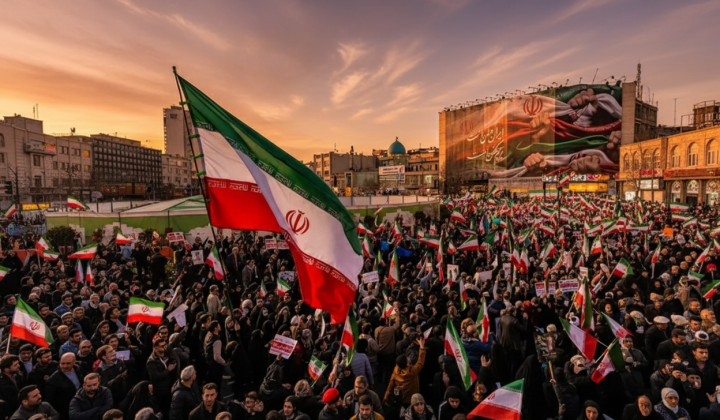
Iran's Post-Conflict Landscape
According to Главком: Since the cessation of hostilities between Iran, the United States, and Israel, the number of executions in Iran has sharply increased. Over the past week, four individuals were put to death on charges of espionage and terrorism. Some of them had been detained during the mass anti-government protests that erupted in January 2026. According to the human rights organization Iran Human Rights, at least 15 protesters-including students and other activists-have been executed since mid-March.
Among those executed was Mohammad Abbasi, who was arrested alongside his daughter following the protests. Another victim, Erfan Shakourzadeh, was accused of collaborating with the United States and Israel’s Mossad intelligence agency. A third individual, Ehsan Afrashteh, was convicted of passing classified information to Israel. The trials of protesters were marred by procedural violations, as defendants were denied the right to choose their own legal counsel.
Anti-Government Demonstrations and Crackdowns
In January 2026, widespread anti-government protests broke out across Iran, leading to at least 26 participants receiving death sentences. State television aired a confession from Mohammad Abbasi, drawing further condemnation from human rights advocates. Human rights activist Ghisu Nia described a new wave of repression on Sky News, emphasizing that the authorities are striving to project an image of control.
Analyst Omid Memarian noted: 'Officials fear that any spark could ignite new unrest. The government is trying to show it has a firm grip on the situation.'
This escalation in repression comes amid a deepening economic crisis and rising social tensions. Executions are being used as a tool of intimidation, underscoring the severity of the situation in the country.
As political tensions and social protests intensify, Iranian authorities are resorting to harsh measures to maintain control. The execution of protesters is part of a broader campaign of repression aimed at deterring potential dissent. These developments highlight growing concerns among human rights groups about the state of civil liberties in Iran, particularly as economic hardships and social unrest worsen. The consequences of such actions could have serious implications for the country’s internal stability and its international standing.

Read also