Imperial Roman Villa Unearthed in Italy After Police Investigation Targets Looters

Discovery of a Roman Villa in Castel di Guido
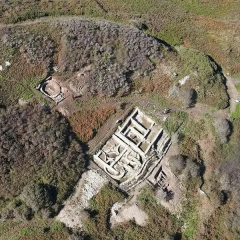
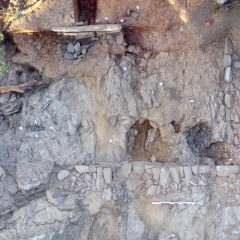
According to НВ — Техно: A Roman villa from the imperial era, dating between the 1st and 3rd centuries AD, has been uncovered in the countryside of Castel di Guido. The excavation began following a tip-off from the metropolitan police about illegal digging by looters. Thanks to an investigation led by archaeologist Alessia Contino, the unique complex-damaged by unauthorized excavations-was preserved.
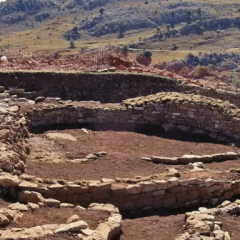
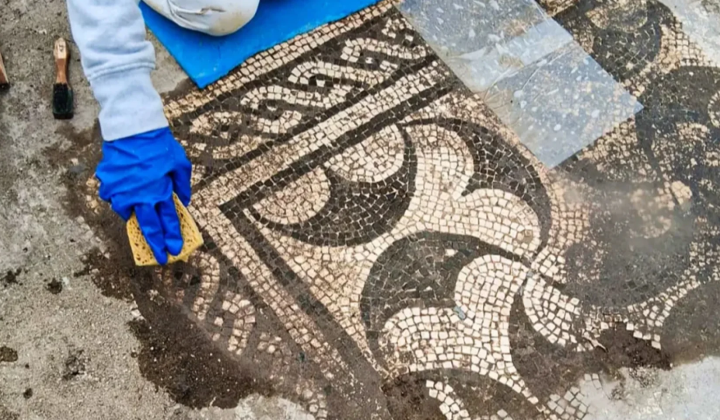
The site revealed a lavish suburban villa featuring exquisite mosaic floors and painted walls. A standout find is a marble statue roughly 0.8 meters tall, likely depicting Silvanus, the rural god of forests and fields, discovered in the villa's pool. Excavations also uncovered a monumental entrance atrium with a large central impluvium designed to collect rainwater.
Architectural Features of the Villa
The atrium floor is adorned with black-and-white and polychrome mosaics showcasing geometric and floral patterns. Adjacent rooms retain fragments of wall paintings in red, yellow, and blue, featuring plant motifs. The villa also included a service area with a waterproof reservoir. Preliminary data suggests it was built in the first half of the 1st century AD and abandoned by the 3rd century.
Importantly, the villa lies within the ancient territory of Lorium, an imperial estate where Emperor Antoninus Pius spent his youth and died in 161 AD. Italy's Minister of Culture, Alessandro Giuli, remarked:
“Swift intervention allowed us to save a unique complex.”
For those interested, on June 20, 2026, the Special Superintendence for Archaeological Heritage will offer free guided tours at the excavation site. The tour includes a roughly 1-kilometer walk, allowing visitors to explore the history and architectural details of this ancient complex.
This discovery significantly contributes to the study of Roman architecture and culture. Artifacts like the mosaics and statue not only confirm the region's importance during the empire but also open new avenues for researching Roman daily life and customs. The organization of free tours highlights the importance of preserving cultural heritage and engaging the public in its exploration.
This remarkable discovery adds to a growing list of significant archaeological finds in Italy, including a recent case where student activists unexpectedly uncovered a Roman villa beneath a school gym. Such incidents highlight the importance of protecting historical sites from unauthorized excavations and the role of community involvement in preserving our heritage. To learn more about this fascinating find and its implications, check out the details of the student-led discovery.

Read also