Hungary's Political Shift: Orban Concedes Defeat, Signaling a New Direction for Ukraine

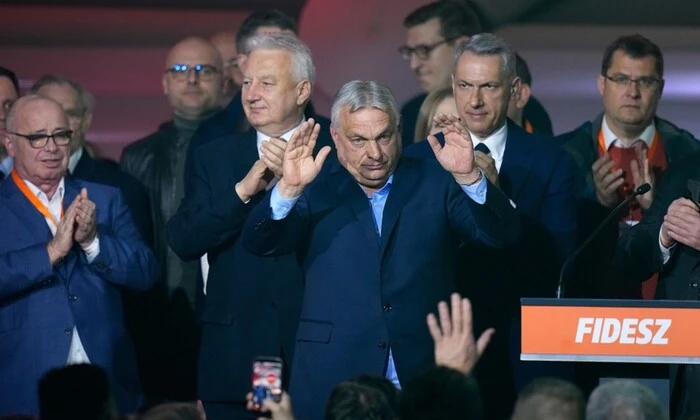
Hungarian Parliamentary Elections
According to Главком: In a significant political shift, Hungarian Prime Minister Viktor Orban has conceded defeat following parliamentary elections held on April 12. The opposition party 'Tisza,' led by Péter Magyar, is now leading. This change in government is expected to substantially alter Hungary's stance on the war in Ukraine and its policies within the European Union. Hungary has been a notable outlier in the EU due to its close ties with Russia.
As of 11:00 PM, the Central Election Commission had processed over 60% of the votes. Viktor Orban, who maintained close relations with Moscow, refused to supply weapons to Ukraine, and blocked key EU decisions-including a €90 billion financial aid package for Ukraine-acknowledged the impending change in power. Meanwhile, the new opposition leader, Péter Magyar, does not oppose Ukraine's future EU membership but does not support accelerating it, instead proposing a referendum on the issue.
According to Reuters, the 'Tisza' party's platform includes:
- strengthening Hungary's pro-European and Western orientation;
- ending reliance on Russian energy resources.
The 'Tisza' party had previously rejected Orban's campaign claims, which framed the election as a 'choice between war and peace' and accused the EU and Ukraine of interference. Despite this, Orban personally congratulated the 'Tisza' leader on his victory. French President Emmanuel Macron also extended congratulations. European Commission President Ursula von der Leyen remarked that Hungary is returning to its European path.
Implications of the Opposition Victory
The election results mark a potential turning point for Hungary's domestic and foreign policy. An opposition victory could lead to more active Hungarian support for Ukraine and changes in energy policy, with serious implications for regional stability. This realignment of Hungarian politics toward European values and integration is a crucial development that could reshape its relationships with other EU member states and with Ukraine amid the ongoing war in Eastern Europe.
The recent election outcome has raised questions about the future of Hungary's foreign policy, particularly regarding its support for Ukraine. While the new opposition leader, Péter Magyar, has expressed a more pro-European stance, some analysts remain skeptical about immediate changes in Hungary's approach to the ongoing conflict. For a deeper understanding of the potential implications of this political shift, you can read more about why the upcoming elections might not lead to significant policy changes for Ukraine here.

Read also