Vyacheslav Chornovil: A Legacy of Dissent, 15 Years in Soviet Labor Camps, and an Unsolved Death

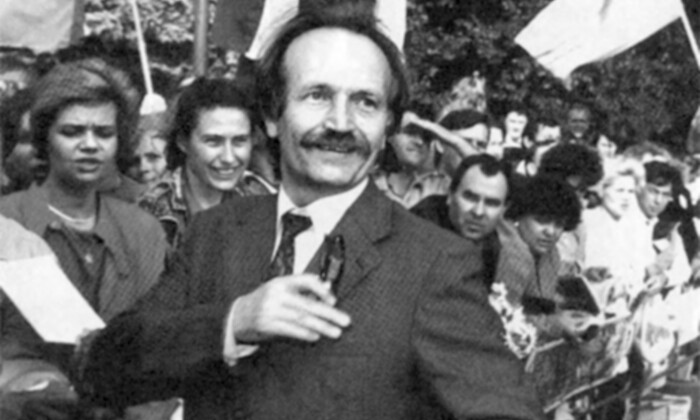
The Life and Struggle of Vyacheslav Chornovil
According to Главком: Vyacheslav Chornovil, a Ukrainian dissident and politician, left a profound mark on the nation's history. His life was defined by a struggle for human rights and national identity, reflected in his role in the 1960s dissident movement, multiple imprisonments, and his political career after Ukraine gained independence. Chornovil died in a 1999 car crash, but his legacy continues to influence Ukrainian society. His story is a pivotal chapter in the long fight for Ukrainian sovereignty against Soviet repression.
Born in 1937 in the Cherkasy region, Vyacheslav Chornovil enrolled at Taras Shevchenko National University of Kyiv in 1955, where his political awakening began. As noted by Vasyl Derevinsky,
'Chornovil's politicization started during his journalism studies at Kyiv University. Raised on slogans of friendship between peoples and internationalism, he was shocked to find that speaking Ukrainian in the capital was met with hostility.'
After university, from July 1960 to May 1963, he worked at the Lviv Television Studio. However, in 1964 he was barred from postgraduate studies at the Kyiv Pedagogical Institute due to his political views.
Public Activism and Political Career
Chornovil became deeply involved in public activism. On September 4, 1965, he spoke alongside Ivan Dziuba and Vasyl Stus at the Ukraina cinema, a key event for the Ukrainian dissident movement. In 1967, his writings earned him a 3-year prison sentence. In 1970, he began publishing the underground journal 'Ukrainian Herald,' but was arrested in 1972 and sentenced to 6 years in a labor camp plus 3 years of exile. In 1979, he joined the Ukrainian Helsinki Group, which fought for human rights in Ukraine.
On fabricated charges, Chornovil received another 5-year sentence, during which he held a 120-day hunger strike. He was released in 1983 and returned to Ukraine in 1985, having spent over 15 years in total within the Soviet penal system.
After Ukraine's independence, Vyacheslav Chornovil became a significant figure in the nation's political life. He ran in the first presidential election on December 1, 1991, securing 23.27% of the vote but losing to Leonid Kravchuk, who won nearly 62%. His wife, Atena Pashko, later remarked:
'It was not I who lost. It was Ukraine that lost.'
On March 25, 1999, Vyacheslav Chornovil died in a car crash on a highway near Boryspil when his vehicle collided with a grain-laden KamAZ truck. His funeral drew a crowd of approximately 200,000 people, a testament to his profound impact. He was buried at Baikove Cemetery. Tragically, his personal archive was destroyed during the shelling of Lisova Bucha, complicating the study of his legacy. The circumstances of his death remain a subject of speculation and unresolved questions.
Vyacheslav Chornovil left an indelible imprint on Ukraine's history, and his fight for human rights and national identity continues to inspire new generations. As he himself stated:
'If I were asked whether I regret how my life turned out, the 15 years I served, I would answer: not in the least. And if I had to start over and choose, I would choose the life I have lived.'
Chornovil's legacy is not merely a part of Ukrainian history but a crucial element of the country's modern political culture. His activism laid the groundwork for many human rights movements that persist today. He remains a symbol of the struggle for national identity and human rights, ensuring his message endures for new generations of Ukrainians.

Read also