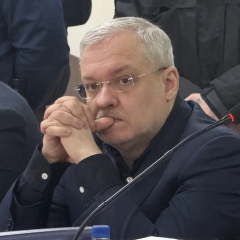
Suspect in Parubiy Murder Admits Partial Guilt, Reveals Russian Tasking

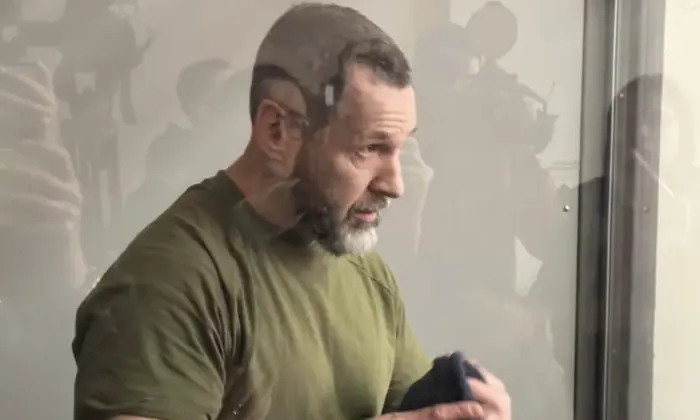
Case of Mykhailo Stselnikov
According to Главком: Mykhailo Stselnikov, the man accused of murdering former Ukrainian Parliament Speaker Andriy Parubiy in Lviv on August 30, 2025, has offered a partial confession. According to the case, Stselnikov had been operating as an agent for Russian intelligence services since 2024, relaying details about Ukrainian Armed Forces units stationed in Lviv. It was Stselnikov who suggested Parubiy as a target for assassination. The attack involved eight shots fired from a Makarov pistol, a weapon he received from his handler in Russia.
Ukrainian authorities apprehended Stselnikov on the night of September 1, 2025, in the Khmelnytskyi region. The Security Service of Ukraine (SBU) later recovered the murder weapon-a pistol equipped with a silencer-in a forest in mid-December 2025. Forensic examinations confirmed Stselnikov's involvement. After committing the crime, he attempted to destroy evidence, but law enforcement managed to locate the firearm.
Civil Lawsuit and Charges
Parubiy's family has filed a civil lawsuit seeking 15 million hryvnias in compensation for moral damages. In a notable twist, the plaintiffs have asked the court to block Stselnikov from receiving 50% of a one-time financial benefit tied to the death of his own son, Mykhailo-Viktor Stselnikov. The indictment against Stselnikov has been submitted to the court, charging him under multiple articles of the Ukrainian Criminal Code, including:
- murder
- public calls for the violent overthrow of the constitutional order
- illegal possession, carrying, and acquisition of firearms
Stselnikov has partially admitted guilt in Parubiy's murder and in making public calls for violent constitutional change through media outlets. The trial is ongoing, with future hearings set to determine the sentence.
This case underscores the persistent threat of foreign intelligence operations in Ukraine, particularly Russian efforts to destabilize the country by targeting high-profile political figures. The murder of a former parliamentary speaker highlights the grave risks faced by public officials amid heightened tensions. The proceedings could set important legal precedents for how Ukraine handles terrorism and espionage-related crimes.
The ongoing trial of Mykhailo Stselnikov highlights a broader issue of espionage and collaboration with foreign entities. Similar cases have emerged, such as that of a Ukrainian collaborator who received a five-year sentence for providing air defense data to Russia. This incident underscores the serious implications of leaking sensitive information during a time of heightened conflict. For more details on the sentencing and its repercussions, read about the collaborator sentenced for sharing military secrets.

Read also