Ukrainian Court Sentences Collaborator to 5 Years for Sharing Air Defense Data with Russia

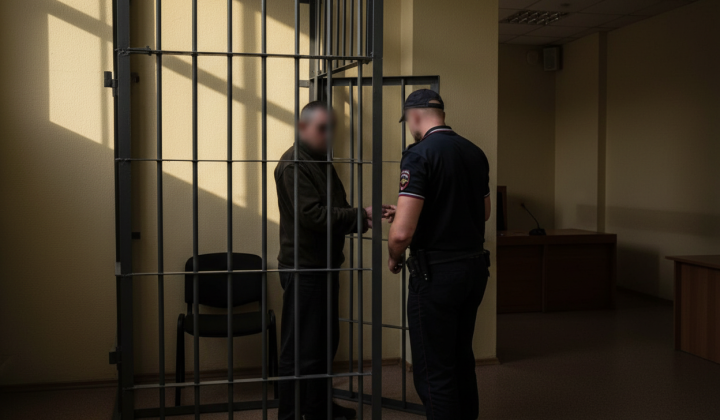
Conviction for Sharing Ukrainian Military Information
According to Главком: A court in the Sumy region has sentenced a man to five years in prison for sharing the locations of Ukrainian Armed Forces units with a Russian contact via Telegram. The Shostka City-District Court found him guilty of illegally distributing information that could harm state security. This case highlights the ongoing threat of espionage and subversion within Ukraine during the war.
The resident of Sumy Oblast began communicating in December 2024 on Telegram with a person using a Russian mobile number. From March to August 2025, he provided this individual with details on the positions of Ukrainian military units, including air defense systems. Initial contact from the Russian number was made to his Telegram account in 2023, and a single phone conversation occurred in the summer of 2025.
Contact with a Russian Agent
During their communications, the contact identified himself as being connected to the Russian military and attempted to recruit the accused into cooperation. The defendant stated in court that the individual threatened bombings of his settlement if he refused to provide information on troop locations, but promised no attacks if he agreed.
Furthermore, an unknown intermediary delivered religious books, a mobile phone, and 2,000 hryvnias to the accused. During a search, he voluntarily surrendered the phone and money to investigators. The court noted that the defendant has had a visual disability since childhood, which may have been a factor in his decisions.
After considering all circumstances, the court imposed a five-year prison sentence. This incident is part of a broader pattern of Russian intelligence activity within Ukraine. Previously, the Security Service of Ukraine (SBU) detained two Russian agents who were correcting airstrikes against Ukrainian forces in Donetsk Oblast and exposed five bloggers in the Kyiv region working to undermine mobilization efforts.
The verdict underscores the severe approach Ukrainian authorities are taking to national security during the conflict. Identifying and punishing those who collaborate with the aggressor is a critical step in countering Russian influence. The case also illustrates the complex pressures and risks faced by civilians in occupied and frontline areas.
The recent sentencing of a man for sharing military information underscores the persistent risks of espionage in Ukraine. Similarly, another case involving a construction worker charged with treason reveals how individuals may inadvertently support enemy operations. To learn more about this troubling trend of collaboration with Russian forces, read about the charges against a construction worker aiding the Russian military.

Read also