Rattlesnake Protein-Based Antidote Developed to Be Ten Times More Potent Than Current Treatments

Harnessing Venom’s Own Proteins for a Breakthrough Cure
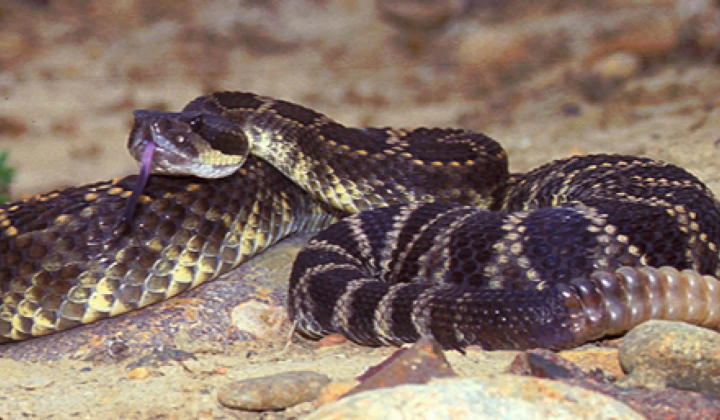
According to НВ — Техно: Researchers at the University of Maryland and Texas A&M University have engineered a groundbreaking antidote derived from proteins found in the blood of the Western rattlesnake. Laboratory tests reveal this new treatment to be ten times more effective than existing antivenoms. Led by esteemed biology professor Sean B. Carroll, the study was published on September 9 in the Proceedings of the National Academy of Sciences. This innovative antidote shows promise for broad use, initially in veterinary medicine and eventually for human patients.
Snakebite envenomation claims between 80,000 and 140,000 lives worldwide each year, underscoring the urgent demand for improved therapies. Conventional antivenoms are produced by injecting venom into large animals and harvesting the resulting antibodies. However, in 2022, scientists identified a protein called FETUA-3 in rattlesnake blood that inhibits venom metalloproteinases. The research team found that combining several proteins from the FETUA family effectively neutralizes lethal toxins and offers protection against multiple viper species.
Sean B. Carroll highlights that "the resilient components of these inhibitors have persisted through 50 million years of evolution."
This discovery could revolutionize how snakebite injuries are treated, given the new antidote’s markedly superior efficacy compared to current options. Initial applications will focus on animal care, with plans to conduct human clinical trials in the future.
The researchers aim to improve survival rates for both humans and animals affected by venomous snakebites. This advancement represents a vital step forward in combating the global health threat posed by snake envenomation.
Looking Ahead: Implications of the New Antidote
The development of this rattlesnake protein-based antivenom opens promising new avenues in medical treatment for venomous snakebites. Its enhanced potency could significantly reduce fatalities and ease the burden on healthcare systems worldwide.
By first introducing the antidote in veterinary medicine, the approach may quickly protect animal populations, benefiting ecosystems and agriculture alike. This early adoption could accelerate the integration of cutting-edge therapies for venomous bites across species.
As researchers continue to explore innovative solutions in the field of biotechnology, another breakthrough has emerged in the form of plant proteins that could replace animal-based emulsifiers. This development highlights the potential for natural alternatives in various medical and industrial applications, further emphasizing the importance of ongoing research in harnessing biological resources for improved health outcomes.

Read also