BioPykrete: The Eco-Friendly Ice Material Set to Outperform Concrete in Polar Regions

Introducing BioPykrete: A Revolutionary High-Strength Ice
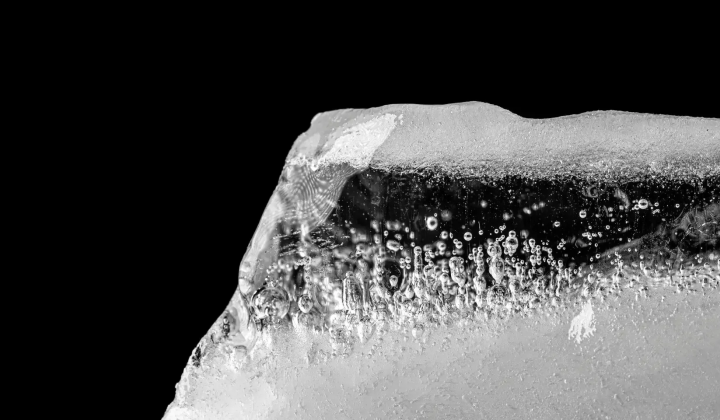
According to НВ — Техно: Researchers have engineered an innovative ice-based material that boasts ten times the strength of regular ice and could revolutionize construction in the Arctic and Antarctic. Developed by scientists in Jerusalem, BioPykrete is designed as a sustainable alternative to conventional building materials, especially suited for the harsh conditions found in polar environments. Beyond its remarkable durability, this material exhibits high energy absorption and gradual deformation under stress. Currently, BioPykrete remains in the prototype phase within laboratory settings.
Key Benefits of BioPykrete
BioPykrete demonstrates approximately tenfold greater compressive strength compared to pure ice. This enhancement comes from a specialized process involving the integration of tiny, rigid cellulose crystals derived from plants into the ice matrix. These crystals form a three-dimensional network around water molecules, dramatically reinforcing the structure. Additionally, BioPykrete can absorb up to 70 times more energy before cracking than standard ice.
The concept of reinforcing ice is not new-it dates back to World War II when mixtures of ice and wood pulp, known as pykrete, were explored. Today’s research advances this idea by incorporating a synthetic protein that acts as a molecular adhesive, bonding ice crystals with plant fibers more effectively. This innovation has doubled the material’s strength compared to earlier ice-fiber blends.
Offering an environmentally friendly substitute for concrete and metal, BioPykrete is biodegradable and poses no threat to natural ecosystems. However, before it can be widely adopted, further testing is necessary to assess its durability under repeated freeze-thaw cycles and sustained structural loads.
"Our goal was not just to mix fibers into water but to control the bonding at a molecular level, enabling the ice to absorb significantly more energy and deform gradually,"
– Professor Ido Braslavsky
This breakthrough opens exciting possibilities for infrastructure development in cold climates, highlighting the importance of eco-conscious construction methods in today’s world. Utilizing materials like BioPykrete could transform building practices in polar regions, where traditional materials often struggle with extreme weather. Moreover, its adoption could reduce the environmental footprint of construction, a crucial step in addressing global climate challenges.
As the construction industry increasingly seeks sustainable solutions, innovations like BioPykrete stand alongside other groundbreaking materials. For instance, engineered concrete made from zeolite and bamboo biochar not only captures carbon dioxide but also exceeds traditional strength standards. Such advancements highlight the ongoing commitment to eco-friendly construction practices.

Read also