A Metal-Free and Plastic-Free Energy Storage Material Has Been Developed by Scientists


A Breakthrough in Energy Storage Materials
According to НВ — Техно: June 12, 20:45
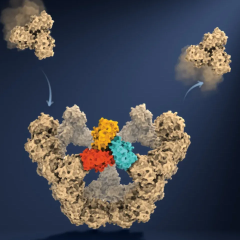
Researchers have unveiled a novel material capable of storing energy without relying on metals or plastics. This innovative approach draws inspiration from the cytoskeleton of human cells. When exposed to electrons, a distinctive yellow liquid transforms into a dense black gel that can retain an electrical charge for several months. Remarkably, this gel dissolves upon contact with air, reverting to its original liquid state.
Technology and Research Methods
The material was developed using various energy sources, including chemical fuel, light, electricity, and X-ray radiation. Scientists also employed point-printing techniques to create microscopic patterns with light. The stored energy can be transferred to oxygen, enabling reactions even in complete darkness-a process known as dark photocatalysis.
The team designed a specialized molecule called ANI-MV, which combines a light-sensitive amino-naphthalene (ANI) node with a methylviologen (MV) unit.
“Living systems are incredibly dynamic. They constantly build structures, break them apart, and rebuild them again. We wanted to create a synthetic material that behaves similarly while performing useful functions,” said Samuel Stupp, one of the researchers.
He further emphasized that
“most light-driven materials stop working when the light source is removed. Our material enables a form of dark photocatalysis.”
The findings were published in the scientific journal Chem, underscoring the significance and novelty of these results in the field of energy technology.
This breakthrough in materials science could significantly impact the development of energy technologies by reducing dependence on traditional materials like metals and plastics, which often pose environmental risks. Advancing new energy storage methods is critical for transitioning to more sustainable and renewable energy sources, especially amid global climate change and rising energy demands. This discovery may also spur further research in the field, potentially leading to future innovations.
This innovative research aligns with other recent advancements in energy storage technologies, such as the development of a flexible battery hydrogel that maintains its elasticity even at extreme temperatures. Such breakthroughs highlight the growing trend towards sustainable and efficient energy solutions that could reshape our reliance on conventional materials.

Read also