Recycled PET and Plant Waste Now Form a New 3D-Printed Cookie: µBites

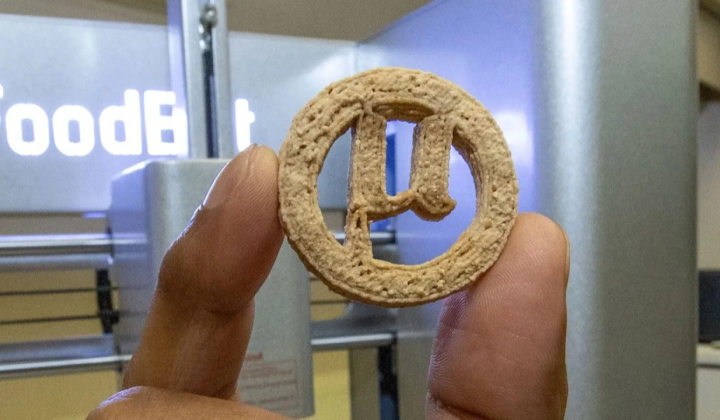
Meet µBites, a New Kind of Cookie
According to НВ — Техно: Researchers have come up with a cookie named µBites that combines recycled polyethylene terephthalate (PET) plastic with agricultural leftovers like corn stalks and leaves. Yeast and a 3D printer are central to making this novel product. It is not approved for human consumption yet, as safety assessments are still underway. This kind of work fits into a broader push toward circular food systems, where waste is treated as a resource rather than trash.
How µBites Are Made
The production route starts with exposing the waste materials to water and oxygen at high temperature and pressure. That process breaks them down into carbon-based components, yielding a liquid that serves as food for specially cultivated yeast. Depending on the strain, the yeast produces proteins, fats, vitamins, flavor compounds, and pigments: one variety yields vanillin, while another yields beta-carotene. These ingredients are then combined into a dough, shaped by a 3D printer, and cooked in a microwave oven.
No human trials have been run so far, but the cookie samples have been screened for toxic substances, heavy metals, allergens, and pathogens that cause foodborne illness. The research team is continuing with further studies, including simulations of digestion. This work is part of NASA's Deep Space Food Challenge, which supports food production options when conventional groceries are hard to access or unavailable.
µBites could eventually be useful on submarines, in disaster zones, and on long space missions. The whole process takes one to two days and can convert more than 50 percent of the carbon in waste into food. A major remaining hurdle is making the technology work under microgravity conditions in space. Down the line, the same components might also be used to create milk substitutes, meat alternatives, or animal feed.
A development like µBites marks an important step toward sustainable nutrition, especially in settings where regular food sources are not available.
This clever use of recycled materials plus 3D-printing technology not only cuts down on waste but also points to new ways of feeding people in extreme environments. If the research pays off, it could influence both the food industry and future space missions, where resources are scarce. With today's global pressures, such innovations are becoming more relevant than ever.
As researchers continue to explore innovative food solutions, the development of an edible coating for fruits by Canadian scientists highlights the potential for sustainable food preservation methods. This advancement complements the ongoing efforts in creating food from waste materials, showcasing the diverse approaches to addressing food security challenges.

Read also