Space Smoothies Developed by Scientists to Combat Appetite Loss in Astronauts

Investigating the Phenomenon of Space Anorexia
According to НВ — Техно: A joint research initiative between the University of Adelaide in Australia and the University of Nottingham in the United Kingdom has led to the creation of specialized smoothies aimed at tackling appetite loss and nutrient deficiencies caused by microgravity. Published in the journal ACS Food Science & Technology on June 5 at 10:30 AM, the study introduces a novel approach to astronaut nutrition.
The team engineered emulsified drinks that remain stable in weightless conditions. These beverages are enriched with omega-3 fatty acids, which, according to project lead Svenja Schmidt from the Center for Advanced Plant Technologies for Space, are critical for shielding cells from cosmic radiation and accelerating bone recovery.
To ensure proper mixing in space, the engineers developed a microfluidic system that relies on capillary forces to blend liquids, achieving the desired consistency without the need for gravity.
Core Smoothie Recipes
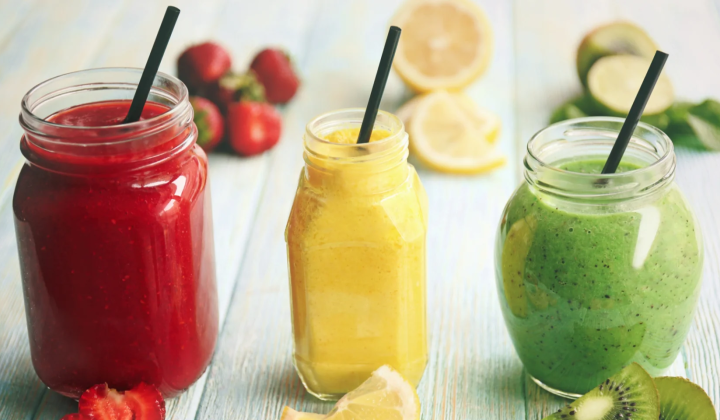
The project produced six foundational smoothie recipes. Each mixture contains:
- fish oil
- fruit acids
- coconut oil
- flavorings
- sugar
A single serving of 330 ml provides one-third of an adult's daily omega-3 requirement. In the near future, these nutrient-packed drinks are scheduled for testing aboard an actual orbital station, marking a significant milestone in sustaining astronauts with essential nutrients during extended space missions.
This project represents a major advancement in addressing the dietary challenges faced by astronauts, who often struggle to consume adequate nutrition on long-duration flights. The research, conducted by Australian and British scientists, not only deepens our understanding of how weightlessness affects appetite but also paves the way for developing food products that can maintain astronaut health in extreme environments. The upcoming orbital station trials will be a critical assessment of the drinks' effectiveness and stability in space.

Read also