Hard Labor Left Severe Spinal Deformities on Children's Skeletons, Researchers Announce

Work in Place of Childhood: Researchers Find Severe Spinal Malformations in Remains of Children from Centuries Ago
According to НВ — Техно: September 1, 09:27
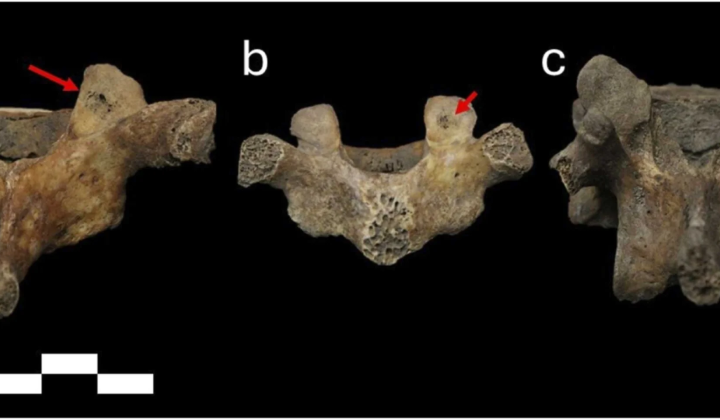
Researchers who studied the skeletons of 143 Dutch children from the 17th to 19th centuries have found that grueling labor on dairy farms caused severe spinal deformities and joint wear. The most serious injuries were seen in rural children from Middelbeemster, who began heavy physical work at age four, hauling milk pails and wooden cheese molds. These young laborers developed Schmorl's hernias, eroding intervertebral discs, and bony outgrowths. Some children showed major skeletal curvature even before their baby teeth had fallen out. The findings are a stark reminder that physical labor can permanently damage developing bodies.
Workplaces Made a Difference
Skeletal remains were collected from three areas in the Netherlands: Middelbeemster, Arnhem, and Delft. Children working at weaving factories in Arnhem had less severe damage in their upper backs, but they experienced lower-back pain because of 12-hour stretches sitting at looms. Children from wealthier families in Delft, by contrast, had straighter skeletons, and their occasional injuries were linked to horse riding or long periods of reading.
Alex Tutwiler, one of the researchers, said: 'Analyzing these children's bones was psychologically difficult. It is like wearing shoes that are too small-your feet and the shoes both become deformed, but here the vertebrae and joints suffer irreversible changes.'
According to UNICEF, more than 137 million children worldwide were still involved in forced labor in 2024. That context gives the study added urgency, as biologists plan to use computed tomography to analyze deformities in children's limbs. The findings could help explain the physical toll of child labor in both past and present societies.
This research on the skeletons of children who worked under harsh conditions underscores the disturbing, lifelong health consequences of child labor. It also reinforces the need to defend children's rights and combat exploitative work, a problem that remains widespread. Understanding the injuries of the past may inform future policies designed to prevent such suffering.

Read also