More Than 88% of Microbes Found in Herbivore Dung Are Unknown to Science, New Study Reveals

Microbial Research on the Tibetan Plateau
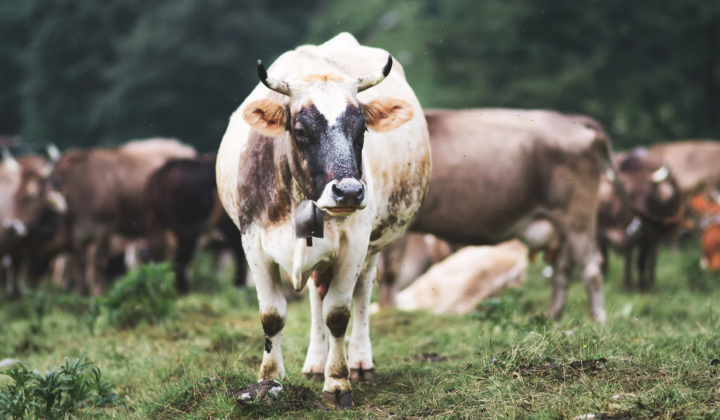
According to НВ — Техно: On June 6, 2023, researchers from Yunnan University and the BGI-Research institute published findings from a five-year study involving the collection of fecal samples from herbivores on the Tibetan Plateau. Over this period, the team gathered 1,412 samples, enabling them to reconstruct 14,062 high-precision microbial genomes. It turned out that over 88% of the microbial genomes discovered were previously unknown to science. The collected data were published in the journal Microbiome. This remote region, often called the 'Third Pole,' offers a unique environment for studying microbial life adapted to extreme conditions.
Key Research Achievements
During the study, a catalog was created containing more than 19.8 million unique genes. Among the main achievements highlighted by the scientists are:
- 13 entirely new bacterial strains capable of breaking down cellulose.
- Bacterial candidates that, in laboratory fermentation tests, demonstrated the ability to reduce methane emissions.
Methane released during livestock digestion is one of the major contributors to global warming.
The research on the Tibetan Plateau holds special interest for pharmacologists, biotechnologists, and climatologists. Live animal experiments are currently being prepared to confirm the methane-reducing effect of the discovered bacteria. The genetic data obtained from the study have been made publicly available, which will facilitate further scientific developments in this field.
These results could significantly change approaches to reducing methane emissions in agriculture, a critical component in the fight against global warming.
Open access to the genetic data also opens new opportunities for researchers worldwide, potentially leading to innovations in ecology and biotechnology.

Read also