Unlike other mammals, bats carry an extra antibody system, scientists say

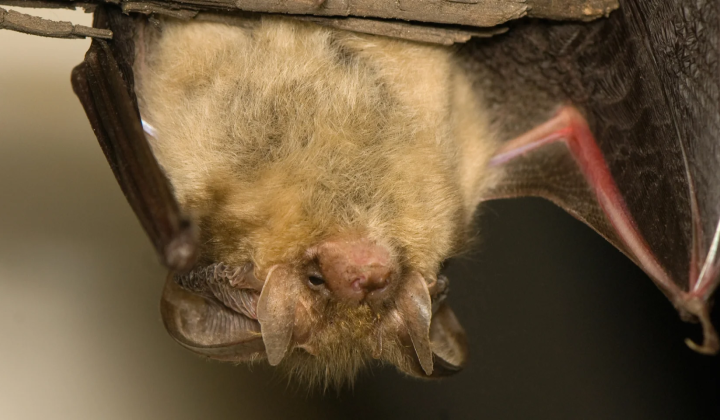
A Distinct Immune Arrangement
According to НВ — Техно: On August 31 at 10:31, researchers announced the discovery of a second antibody system in bats-one never documented in any other known mammal. Led by scientist Hannah Frank, the finding may shed light on how bats tolerate viruses that are dangerous to other animals, and it could inform efforts to stop those pathogens from jumping to humans. This discovery builds on growing scientific interest in bats' unusual ability to harbor viruses without falling ill.
How Bat Antibodies Differ
The antibodies identified in bats comprise two heavy and two light protein chains. In humans and all other mammals studied so far, the heavy chains come from a single gene set. Bats, however, operate with two separate heavy-chain antibody systems. This could fundamentally alter scientific understanding of how mammalian immunity is organized.
"Nothing like this has ever been observed in mammals. It transforms our understanding of immune system architecture and helps explain why bats have evolved so successfully alongside viruses."
Hannah Frank
Beyond serving as natural reservoirs for numerous viruses, bats play important ecological roles: they pollinate plants, disperse seeds, and keep insect pest populations in check. The newly recognized feature of their immune system opens fresh avenues for virology and immunology research.
The presence of a second set of antibody genes in bats could have major implications for the study of immunity in other mammals, including humans. Learning how bats manage viral infections may lead to new vaccination strategies and treatments for viral diseases. The work also highlights the need to protect bat populations, since their natural ability to control viruses may be essential to ecosystem and human health.

Read also