Innovative Solar-Powered Desalination System Converts Seawater Without Harmful Brine Waste

Revolutionizing Seawater Desalination
According to НВ — Техно: Researchers at the University of Rochester have pioneered an advanced solar desalination system that transforms seawater into fresh water by extracting salt in a solid form, completely avoiding the release of toxic liquid brine. This breakthrough technology also holds promise for harvesting valuable minerals such as lithium. The system has been successfully tested using seawater samples from the Pacific, Atlantic, and Indian Oceans, demonstrating its broad applicability.
How the Technology Works
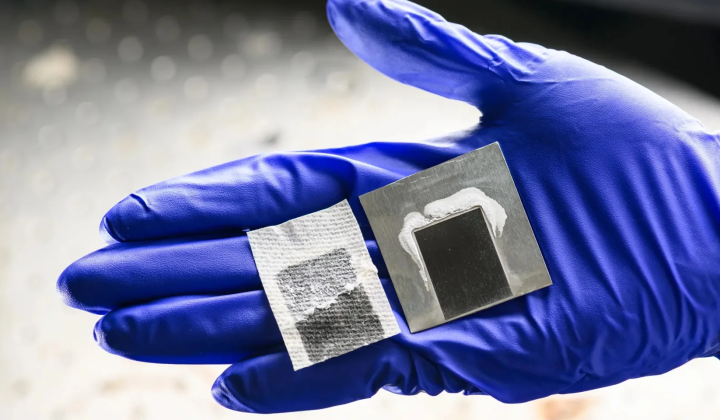
Led by Professor Chunlei Guo, the research team engineered this desalination device using a black metal surface treated with femtosecond laser pulses-ultra-short bursts lasting quadrillionths of a second. These pulses create microscopic grooves on the metal, which guide dissolved salts and other substances toward the panel's edges. There, salts crystallize and are collected as solids on the metal surface. This process relies on the coffee-ring effect, enhancing the efficiency of salt migration and removal.
A key advantage of this system is its self-cleaning capability, ensuring consistent performance without degradation from mineral buildup. Nearly 100% of dissolved salts are extracted as solids, which can be repurposed as sources of precious minerals, including lithium. To selectively capture lithium, titanium oxide-based nanoparticles were integrated into the microgrooves. Experiments using brine from the Great Salt Lake showed approximately 50% lithium recovery from the salt residues.
Although these results are promising, the technology remains in its early developmental phase. Demonstrations have so far been limited to small-scale prototypes, with future work focusing on scaling the system for practical, real-world applications. This approach not only addresses the critical need for sustainable desalination but also opens new avenues for mineral extraction from seawater byproducts. The news was published on September 17 at 11:39, with ScienceDaily as the source.
As global climate change intensifies and freshwater demand rises, this innovative desalination method could play a vital role in securing water supplies. By eliminating harmful liquid brine discharge common in traditional desalination, it reduces environmental risks significantly. Continued research and refinement may soon make this technology widely accessible, marking a major step forward in combating worldwide water scarcity.
As innovative technologies emerge to address environmental challenges, the role of biotechnology is becoming increasingly significant. For instance, genetically modified bacteria are enhancing ocean CO2 removal, showcasing how advancements in science can contribute to sustainability efforts. Understanding these developments can provide valuable insights into the broader implications of research in combating climate change.

Read also