How genetically engineered bacteria are speeding up ocean CO2 removal

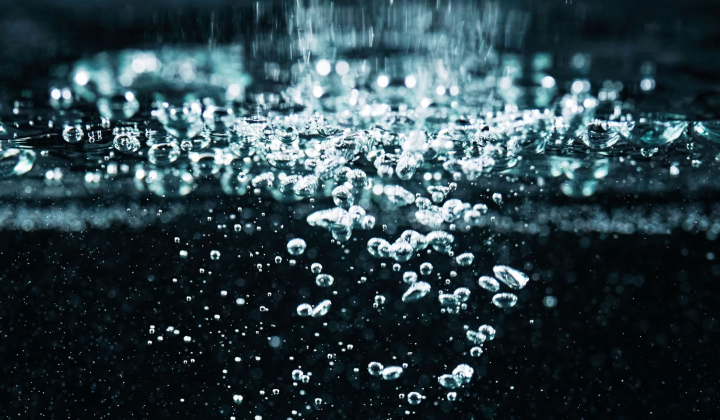
Progress in ocean-water CO2 removal
According to НВ — Техно: Published: August 28, 17:39
With atmospheric CO2 levels still climbing, marine-based carbon removal strategies are attracting increasing attention. Biotech researchers in the United States have now moved closer to a practical ocean capture method by engineering a strain of the marine bacterium Alteromonas macleodii. In lab trials, the modified microbe accelerated the natural weathering of the mineral olivine by 2.6 times, turning dissolved carbon dioxide into stable bicarbonate compounds. Since silicate weathering converts atmospheric carbon into safer forms, this approach could become a meaningful tool for cutting emissions and addressing climate change.
How the weathering technology works
The weathering process usually slows when oxidized iron creates a rust-like film on mineral surfaces. Alteromonas macleodii naturally produces siderophores, iron-binding molecules that strip away that coating. The U.S. team rewired the bacterium’s genome so these cleansing compounds are made continuously, no matter how much iron is present in the surrounding water.
“We reprogrammed the microbe’s genetic circuitry so siderophore output stays constant, effectively uncoupling their production from external iron levels,” said Neil Dalvy.
To test the system, the researchers built bioreactors containing green olivine sand and seawater from Boston Harbor. Under experimental conditions, the setup absorbed 0.5 grams of CO2 from the air per day. The team’s future vision is to scale this into bacterial treatment plants that pump seawater through mineral-filled basins before releasing it back into the ocean.
“This work demonstrates how synthetic biology can amplify natural climate-regulating processes to help protect the planet,” said Pamela Silver.
Developing Alteromonas macleodii for ocean CO2 extraction could mark an important step in reducing carbon emissions and strengthening climate action. The research also highlights the broader role synthetic biology can play in solving environmental problems. If the technology is successfully scaled, it may significantly reduce the global carbon footprint and improve the ecological health of the world’s oceans.
In addition to innovative approaches for carbon capture, advancements in water treatment are also making waves. Recently, scientists unveiled a hydrogel membrane that effectively removes oil from seawater while simultaneously desalinating it. This development highlights the growing intersection of biotechnology and environmental sustainability, showcasing how multiple technologies can work together to address pressing ecological challenges.

Read also