Brain Tumor Growth Halted by Newly Identified Protein, Study Finds

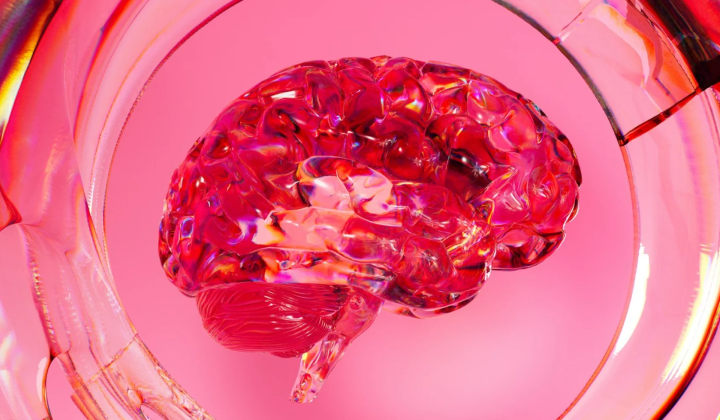
Investigating the Chinmo Protein
According to НВ — Техно: Experiments conducted on fruit flies-also referred to as Drosophila-have uncovered a protein called Chinmo that plays a key role in where brain tumors form. Researchers discovered that artificially reducing Chinmo levels stopped tumor growth, while increasing the protein triggered tumor development. These findings were published in the journal Proceedings of the National Academy of Sciences.
By editing the insects' genes to alter proteins that maintain cell identity, scientists found that Chinmo was present in the central brain and ventral nerve cord, both sites where tumors appeared. In contrast, Chinmo was absent from the optic lobes, which remained cancer-free. This may explain why glioblastomas commonly develop in the cerebral hemispheres, while medulloblastomas in children predominantly affect the cerebellum.
How the Protein Influences Tumor Formation
When scientists artificially reduced Chinmo levels, tumor development stopped completely. Conversely, increasing Chinmo in the optic lobes led to abnormal cell growth. This discovery could be critical for understanding the mechanisms behind brain tumor formation.
Oncologist Louise Cheng noted: 'Cancer-related mutations occur constantly in our bodies, but most never become dangerous because the body detects and removes these abnormal cells.'
She added: 'We wanted to understand why some cells evade this process and develop into tumors, especially in specific brain regions.'
The researcher emphasized that 'tumor formation is not just about the mutation itself; it is also influenced by the environment and the developmental stage of the cells where the mutation occurs.' Consequently, these findings may open new avenues for understanding and treating cancer.
This study opens up fresh possibilities for further research into cancer development mechanisms, particularly regarding the role of the Chinmo protein. Focusing on specific brain regions could aid in designing targeted therapies that lower tumor risk. It also highlights the importance of studying not only genetic mutations but also how environmental factors contribute to cancer formation.
In addition to breakthroughs in understanding brain tumors, recent research highlights the potential of existing medications to combat cancer. For instance, findings suggest that asthma treatments may offer new hope in cancer therapies, showcasing the versatility of certain drugs in addressing multiple health challenges. This evolving landscape of cancer research emphasizes the importance of exploring both novel and established treatments.

Read also