Injecting CO2 Boosts Concrete Strength by 13%, New Study Finds

How a Chemical Reaction in Concrete Could Cut Carbon Emissions
According to НВ — Техно: On June 13 at 4:00 PM, researchers revealed findings from a new study that identified a temporary chemical process triggered when carbon dioxide (CO2) is pumped into concrete. This process boosts the material's early compressive strength by an average of 13%. The research showed that adding CO2 equal to 1% of the cement's weight creates a uniform structure and significantly higher concrete strength within just 24 hours.
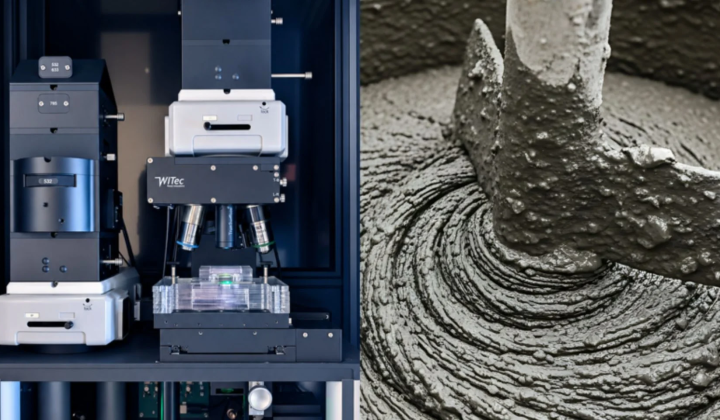
To track the reaction, scientists used Raman confocal microscopy. In the initial phase, CO2 captures calcium released as cement dissolves, slowing down hydration. This delay allows silicates to form a silica gel network. After the CO2 fully mineralizes a few hours later, normal hydration resumes, producing calcium hydroxide. That hydroxide then reacts with the silica network to create calcium silicate hydrate (CSH).
Why This Discovery Matters
Importantly, CSH forms evenly throughout the entire material rather than just around individual particles. Calcium carbonate particles remained passive bystanders and did not affect the concrete's strength. According to Admir Masić,
“previous studies relied on theory because reactions happened too quickly.”
This breakthrough could fundamentally change how CO2 is used in construction and improve the performance of concrete mixes.
The researchers also noted that
“the sudden disappearance of silica gel was a characteristic feature of every tested sample,”
confirming the importance of the process they studied. The findings were published in the Journal of the American Ceramic Society, underscoring their scientific significance and potential for future construction innovations.
These results could have major implications for eco-friendly building technologies, as using CO2 may reduce the carbon emissions tied to cement production. Further research could lead to new concrete mixes that are not only stronger but also help lessen environmental harm. This discovery opens up fresh possibilities for innovation in the construction industry, where sustainability is becoming increasingly important.
This innovative approach to concrete not only enhances its strength but also aligns with the growing demand for sustainable building materials. For a deeper understanding of how these advancements could lead to greener and more robust concrete solutions, explore our article on the future of eco-friendly concrete.

Read also