Cooling Vape Flavorings Linked to Heart Risks, New Research Warns

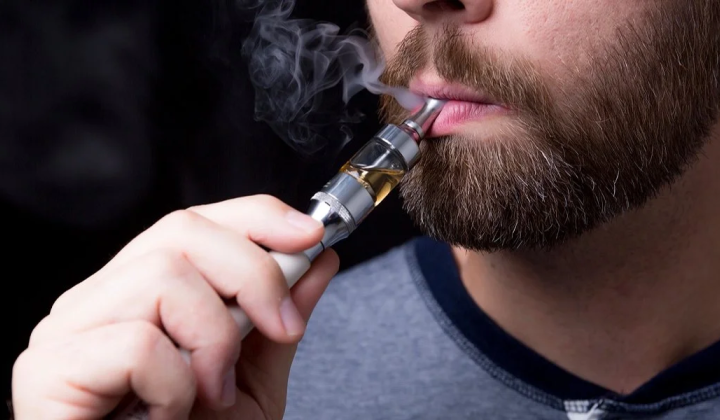
How Cooling Agents in Vapes Affect Cardiovascular Health
According to НВ — Техно: New research reveals that cooling flavorings used in vaping devices-such as menthol, WS-3, and WS-23-may pose serious risks to the heart and blood vessels. These compounds work by activating TRPM8 receptors, which in mouse studies led to increased blood pressure, elevated heart rate, and a higher frequency of premature ventricular contractions. Even without nicotine, these substances triggered cellular damage in blood vessel linings.
Menthol and the synthetic agents WS-3 and WS-23 are responsible for the cooling sensation in many vape products. In animal trials, aerosols containing menthol raised heart rate and blood pressure, and also caused a spike in adrenaline levels, indicating the body's stress response was activated. Notably, disruptions in heart rhythm persisted for several weeks after exposure to the flavorings ended.
Laboratory tests confirm that these flavorings can harm endothelial cells, which line blood vessels, worsening inflammation and cellular stress. Some of these harmful effects on vascular cells occurred independently of nicotine, highlighting the potential danger of these additives alone. Damage to blood vessel cells is considered an early marker of cardiovascular disease. However, current evidence is insufficient to conclude that cooling flavorings directly cause heart disease in humans.
Urgent Call for Further Investigation
These findings have raised alarms among health experts, who stress the need for more research and caution when using flavored vape products. It is important to note that this article provides general reference information and should not replace medical advice. If you have health concerns, consult a physician.
The study's conclusions underscore the importance of understanding the potential cardiovascular risks tied to vape flavorings. As vaping continues to grow in popularity-especially among younger demographics-these results could inform future regulatory measures and public health campaigns urging careful use of such products.
In addition to the cardiovascular risks associated with cooling agents in vaping, recent studies have shown that vaping can also affect the activity of thousands of genes related to cancer. This highlights the broader implications of vaping on health, warranting further exploration into its long-term effects on various bodily systems.

Read also