Supreme Court Memorial Ruling Sparks Outcry from Ukrainian Military

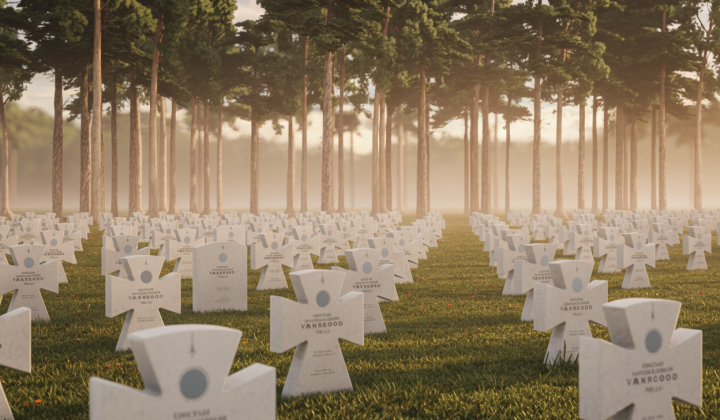
Military Condemns Supreme Court's Memorial Site Ruling
According to Главком: The Supreme Court of Ukraine has invalidated the land transfer for a national memorial cemetery, a decision that has provoked a powerful backlash from the nation's armed forces. This ruling touches on the deeply sensitive issue of honoring fallen soldiers, a core value for a nation at war. Personnel from various Ukrainian military units have voiced strong opposition, emphasizing the fundamental duty to respect the memory of those who died in service.
- The 1st Separate Assault Regiment of the Ukrainian Ground Forces stated that memory cannot be revoked by a court decree, and the fallen are not 'relocated'-they are honored. The soldiers stressed that their comrades, who gave their lives for their homeland, must not become victims of legal disputes and desecration.
- Commander of the Unmanned Systems Forces, Robert 'Magyar' Brovdi, gave his opinion, calling the court's decision
'mind-blowing'
. He emphasized that he never promised to tolerate any outrage against the memory of the fallen, noting that every single one is remembered by name, both heroes and wrongdoers. - The 82nd Separate Air Assault Bukovyna Brigade also expressed concern, stating that the right of the fallen to a dignified burial cannot be dismissed as a 'procedural error'. When a court cancels the creation of a National Memorial over technicalities, it is far more than a formality-it is a wound.
These comments indicate that the military views the Supreme Court's decision not merely as a legal matter, but as a profound moral issue concerning the remembrance of the dead. Such statements underscore the critical importance of properly honoring those who sacrificed their lives for Ukraine.
Public Perception and the Ruling's Consequences
This Supreme Court ruling could have far-reaching consequences for how society perceives and honors the memory of fallen soldiers. The strong reaction from military formations and the public at large reveals a deep sensitivity to issues of commemoration, highlighting the urgent need to reconcile legal procedures with moral obligations. Situations like this may prompt a review of the processes for establishing and implementing memorials to prevent similar conflicts in the future.

Read also