US Supreme Court Rules Trump Tariffs Illegal, President Responds with New 10% Global Levy

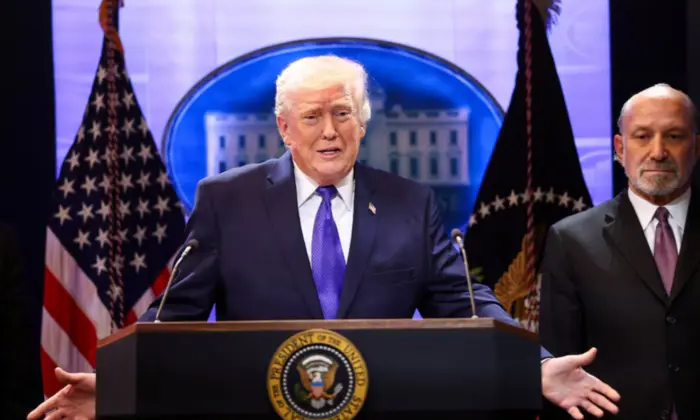
US Supreme Court Declares Trump's Tariff Regime Unlawful
According to Главком: In a 6-3 decision authored by Chief Justice John Roberts, the court found that former President Donald Trump violated federal law by imposing tariffs that exceeded his statutory authority. The majority included the court's liberal justices, who were joined by Trump's own first-term appointees, Neil Gorsuch and Amy Coney Barrett. Trump praised the dissenting opinion written by Justices Clarence Thomas, Samuel Alito, and Brett Kavanaugh.
Trump's Reaction and New Executive Order
Trump issued a sharp rebuke of the Supreme Court's ruling, stating:
“The Supreme Court's decision on tariffs is deeply disappointing. And I am ashamed of some members of the court-absolutely ashamed-for not having the courage to do what is right for our country.”
Donald Trump
Despite this criticism, Trump signed an executive order instituting a new 10% global tariff, which can remain in effect for up to 150 days without congressional renewal. He announced, “It is my great honor to have just signed in the Oval Office a global 10% tariff on all countries, which will take effect almost immediately.” This move highlights the ongoing tension between the executive and judicial branches over trade policy.
The new tariffs are authorized under Section 122 of trade law and are poised to impact international trade relations. Trump also threatened to raise duties on several European allies, a move linked to their refusal to sell Greenland to the United States. Additionally, he announced an increase in import duties on South Korea from 15% to 25%. According to a Federal Reserve Bank of New York report, American businesses and consumers bore nearly 90% of the cost of all import tariffs in 2025.
The Supreme Court's decision could significantly influence future U.S. trade policy and international relations. Trump's imposition of new global tariffs has alarmed foreign partners and risks escalating trade conflicts. His response underscores a continued commitment to an aggressive economic agenda, despite legal challenges and criticism from the judiciary.

Read also