Researchers Identify Nearly 12,000 Viruses in Clarion-Clipperton Zone, Most Previously Unknown

Discovery of Thousands of New Viruses in the Clarion-Clipperton Zone
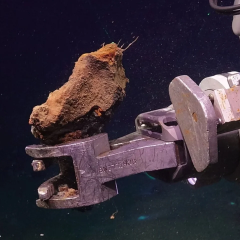
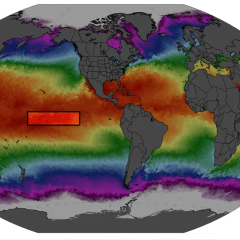
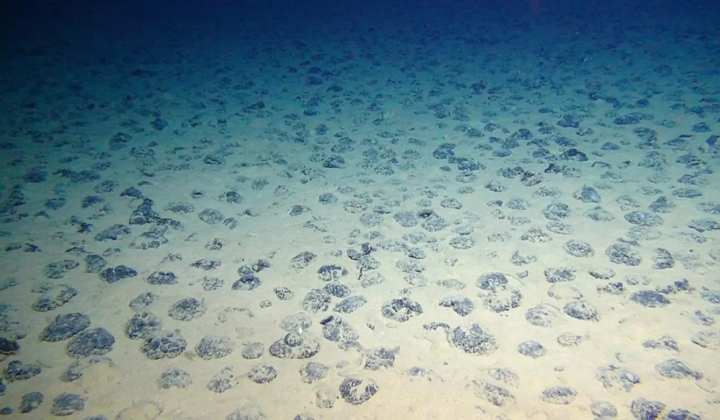
According to НВ — Техно: Scientists have uncovered 11,742 viruses in the Clarion-Clipperton fracture zone, located deep beneath the Pacific Ocean’s surface, with 11,662 of these viruses being completely new to science. This area lies up to 6,000 meters below sea level between the coasts of Mexico and Hawaii and is recognized as the world’s largest site for deep-sea mineral exploration. The breakthrough came after analyzing over 60 sediment samples collected by the Chinese Association for Oceanic Mineral Resources Research.
The study revealed that only 4% of the viral protein complexes matched existing global databases. Most of the discovered viruses belong to the Caudoviricetes class-tail-bearing bacteriophages that exclusively infect bacteria. These viruses play a crucial ecological role by breaking down organic matter and recycling essential nutrients like nitrogen and phosphorus back into the environment. They also influence their host bacteria’s metabolism and assist them in coping with environmental stress.
Implications for Marine Ecosystem Health
Researchers from Chongqing University emphasized that
“analysis of protein networks and evolutionary relationships revealed an immense diversity on the seafloor, with over 99% of viral groups absent from current global databases.”
However, industrial-scale mining of seabed metals threatens these unique microbial communities and risks disrupting vital nutrient cycles in the region. The findings underscore the urgent need to protect marine ecosystems and maintain their essential ecological functions.
This unprecedented discovery adds significant knowledge to marine biology and ecology, highlighting the vast, largely unexplored biodiversity of the Clarion-Clipperton Zone. As interest in seabed mining grows, preserving these habitats becomes increasingly critical. Ongoing research will be vital to understanding the roles these viruses play in ocean ecosystems and the potential consequences their loss could have on the global environmental balance.

Read also