U.S. Vice President Vance on Orbán's Election Loss: The Purpose of His Hungary Trip and What Comes Next

J.D. Vance's Remarks on Viktor Orbán's Defeat
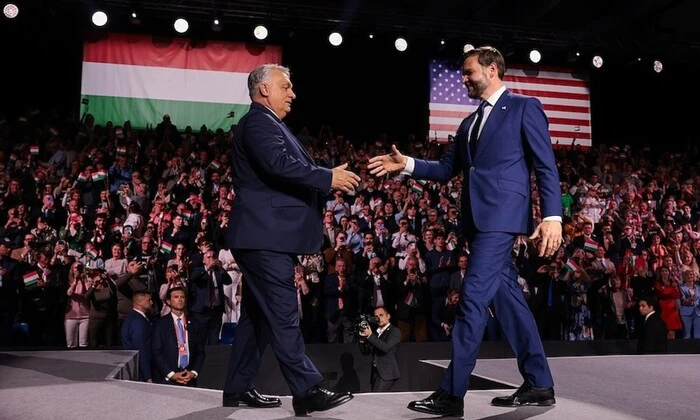
According to Главком: U.S. Vice President J.D. Vance has commented on the parliamentary election loss of Hungarian Prime Minister Viktor Orbán. In a statement to Fox News, Vance explained the reasons for his recent visit to Hungary, where he had shown support for Orbán, noting that the trip was not made with an expectation of an easy victory for the Hungarian leader.
Vance emphasized that his goal was to back a person who has been a long-standing and reliable partner for the United States.
“We did not go because we expected Orbán to win the election easily. We went because it was the right thing to do-to support a person who has supported us for a very long period of time. This was not about Russia, nor was it broadly about Europe. It was about the United States and about him being a good partner to me, to Donald Trump personally, and to the United States overall,” he stated.
Hopes for Cooperation with the New Prime Minister
Despite Orbán's defeat, Vance expressed hope for productive cooperation with Hungary's new Prime Minister, Péter Magyar.
“I am sorry that he lost. I am confident we will work well with Hungary's new prime minister. But this trip was not in vain, because it is worth supporting people even if you don't win every race,” the Vice President underscored.
Vance's visit drew criticism from some U.S. politicians and social media users, but he remains convinced of the importance of supporting partners in political contests. His stance highlights a foreign policy approach that values longstanding alliances over short-term electoral outcomes.
Vance's commentary underscores the strategic importance of supporting international partners, even when their political prospects appear uncertain. Amid a shifting political landscape in Europe, U.S. backing can play a key role in shaping relations between nations. New Hungarian Prime Minister Péter Magyar now has an opportunity to reconsider the country's foreign policy in the context of relations with the United States, which could have significant implications for regional stability and cooperation.
In light of Vance's recent statements, it's important to explore the context of his earlier discussions with Orbán before the election. Understanding the significance of their pre-election meeting sheds light on the strategic alliances that the U.S. aims to maintain in Europe, regardless of electoral outcomes.

Read also