Two New Species of Sea Spiders Discovered Off Canada’s Coast—A Century-Long Gap Ended

Breakthrough Discovery of New Sea Spider Species
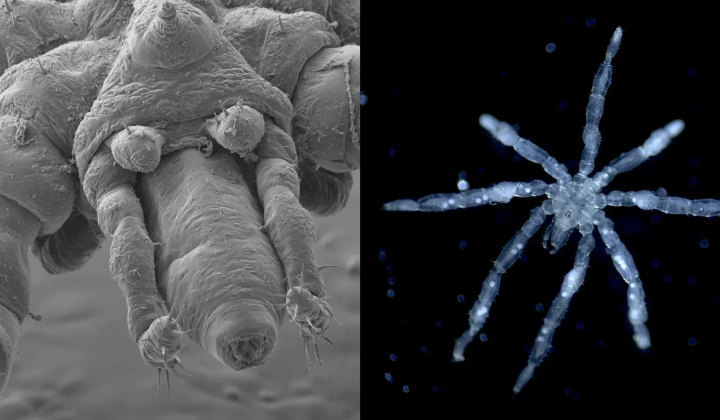
According to НВ — Техно: Scientists from Canada have identified two previously unknown species of sea spiders in the Salish Sea, located near the Canadian coastline. This marks the first official recognition of new marine arthropod species in the area in nearly 100 years. The findings were detailed in the journal Organisms Diversity & Evolution. Named Callipallene pilosuspedes and Tanystylum kiixin, these species exhibit distinct physical traits and behaviors confirmed through genetic analysis.
Characteristics of the Newly Identified Species
Callipallene pilosuspedes is notable for its long spines on the underside of its legs, a short proboscis, and a mouth surrounded by sensory palps. This species also employs specialized egg-carrying appendages for caring for its offspring and maintaining its body. In contrast, Tanystylum kiixin-named after an ancient Indigenous settlement-hosts tiny parasites and carries mud particles on its exoskeleton. Both species have up to 12 legs, respire through their body surface, and feed using a proboscis. Male sea spiders play a unique role in parental care by transferring eggs from the female’s legs to their own bodies using a specialized secretion.
The research, conducted by experts at the University of British Columbia, highlights the critical need to protect marine ecosystems. Environmental changes and human activities pose ongoing threats to these habitats. By sequencing the DNA of these new species, scientists have created a detailed identification guide to aid local biologists in further study and conservation efforts targeting sea spiders and their environments.
"The discovery of new sea spider species represents a significant advancement in our understanding of marine biodiversity."
This breakthrough emphasizes that even well-explored regions can harbor unknown species deserving of protection. Preserving such organisms is essential in the face of global climate change and increasing human impact on marine ecosystems. Continued research will be vital to uncover more species and clarify their ecological roles, supporting the conservation of ocean biodiversity worldwide.
The discovery of new marine species is not an isolated event; it reflects a broader trend in paleontological research, as seen in the recent findings of new Miocene bird species in Bavaria. Such breakthroughs underscore the importance of ongoing exploration and conservation efforts to understand and protect global biodiversity.

Read also